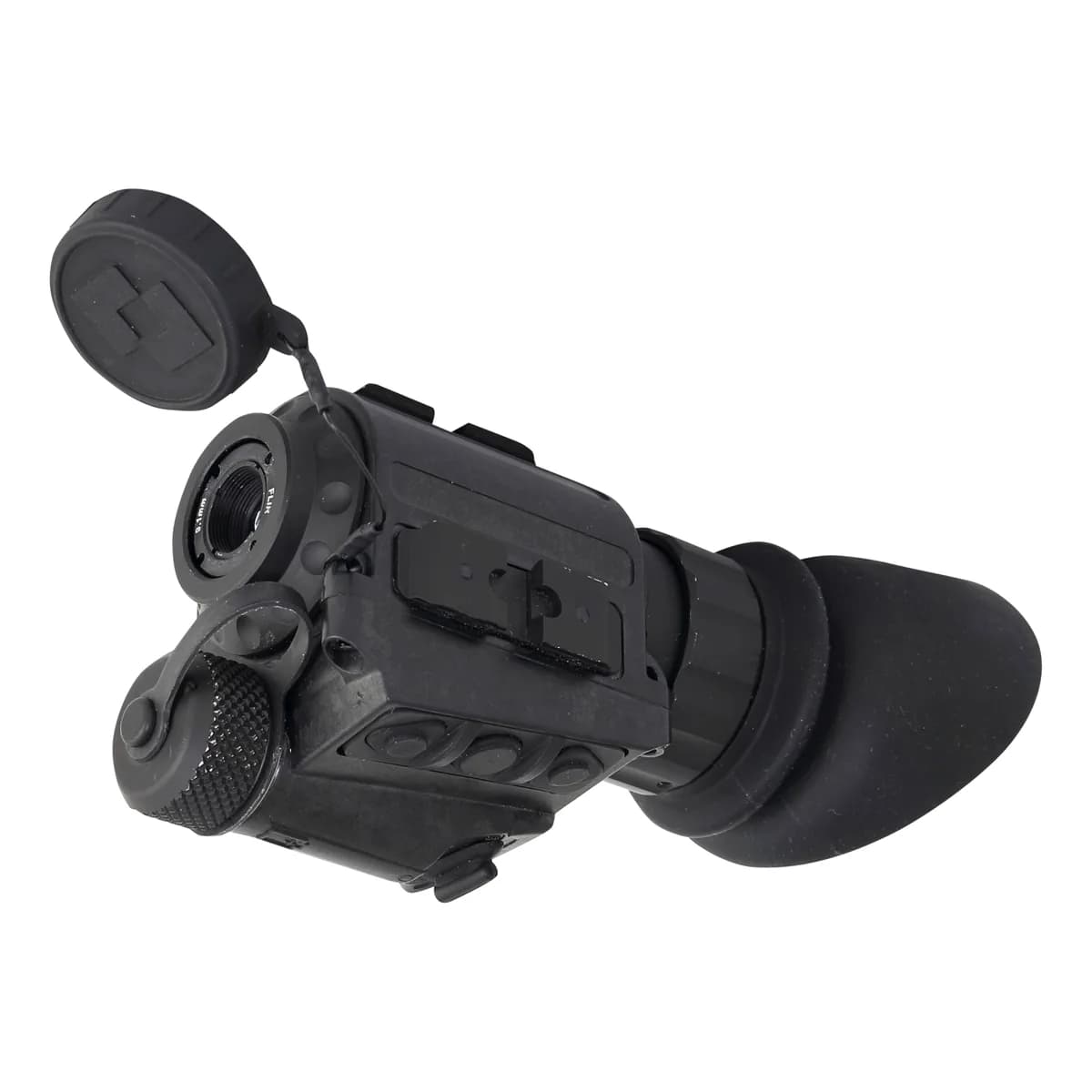
Teledyne FLIR Breach PTQ136
- Approx. price
- ~$1,995
- Sensor
- 320×256 · 12 µm
- Lens
- 9.1 mm · 1×
- Weight
- 7.4 oz
We may earn a commission. Price and availability on Amazon’s site may differ.
Walk-and-scan glassing from a jacket pocket
01Specifications
As published by Teledyne FLIR. Sources: flir.com, FLIR PTQ136 datasheet (sale $1,995; MSRP $2,899), tnvc.com (12 um pitch; tnvc lists $2,899 backorder).
- Sensor
- 320×256
- Pixel pitch
- 12 µm
- Refresh rate
- 60 Hz
- Lens
- 9.1 mm
- Digital zoom
- up to 4×
- Field of view
- 24° horizontal
- Display
- 1280x960 LCOS
- Run time
- 1.5 h
- Battery type
- CR123
- Weight
- 7.4 oz
- Length
- 5.5″
- Records video
- Yes
- Wi-Fi
- No
- Warranty
- 10 years (detector)
- Country of origin
- USA
- Approx. price
- ~$1,995
02Pros and cons
From the published specs. What owners report is in the next section.
- Smooth 60 Hz picture on a running animal
- Takes CR123 batteries you can swap in the field
- Light at 7.4 oz, 6th-lightest of the 112 handhelds here
- Warranty: 10 years (detector)
- Wide 24° view for scanning a field
- Sensitivity (NETD) not published
- Only 1.5 h of battery
- No rangefinder, so you judge distance by eye
- Entry-level 320×256 sensor, with less detail than a 640
- No waterproof rating published
- Zoom past 1× is digital and gets blurry
03What owners say
owner discussions, 2023–2026Summarised from 16 public owner discussions between 2023 and 2026. Owner experience, not a measurement.
The Breach shows up in owner discussions almost entirely as the thermal half of a helmet bridge beside a PVS-14, and almost always as the cheap way in. New units were around $2,000 to $2,500 in 2023; used ones have drifted from about $1,700 in 2024 to $1,500 or less in 2025, and a dealer listed one for $1,000 in 2026. A lot of the threads are owners selling or trading it to move up to an RH25, a Sidekick 640 or a dual-tube goggle.
Owners who keep theirs are content within its limits. A three-year owner who also runs dual tubes calls it great for walking at night, spotting animals inside about 100 yards and even finding leaks around the house, and a K9 handler uses his on missing-person tracks. The harsher verdict, mostly from people who have used newer monoculars, is that the 320 sensor is too coarse for identification past roughly 75 yards and too soft to fuse with a tube, and that the $700 to a Sidekick 640 was the better spend.
- Cheap entry into a PVS-14 bridge: purpose-built bridges such as the Rayvn rail were designed around it, and owners describe the two overlapping nicely once set up.
- Good for close work: owners use it for night walks, spotting animals inside about 100 yards, urban use and tracking, and one has run it for three years without a problem alongside a set of dual tubes.
- Has an image-offset menu that one reviewer notes the iRay MH25 lacks, which helps line the thermal image up with the tube for hybrid viewing.
- Holds some resale value and moves easily as a trade toward a better thermal or a dual-tube goggle.
- Resolution limits identification: people who have used it say anything past roughly 75 to 100 yards becomes a blob, and one owner says it cannot pick out steel plates at 100 yards.
- Battery life on CR123s is short; one owner gets about an hour, another says it lasts a tenth as long as his tube, and the standard fix is an external battery pack.
- The image is soft enough that one owner could never fuse it with his night vision, even though its wide field of view should help.
- Right after sunset everything is still warm and the scene washes out; one owner waits until late at night to use it.
- Several people who compared footage say the Sidekick 640 and MH25 are clearly better, and that the extra $700 or so for a Sidekick was the better buy.
- FLIR's support for discontinued products worries buyers: owners of other FLIR thermals report being told out-of-warranty units could not be repaired and no batteries or parts were available.
Is the Breach still worth buying used?
At the right price, for close-range spotting beside a PVS-14. Used prices have fallen from around $1,700 in 2024 to $1,500 or less, with a dealer listing at $1,000 in 2026. People who have moved on say that if you can stretch to a Sidekick 640 or an RH25 you will see far more, and one owner of a 320 Pulsar who watched Breach footage still was not impressed.
How long do the batteries last?
Not long. One owner who runs it bridged says CR123s last about an hour, and another says it gets about a tenth of the run time of his tube. Owners recommend running it from an external battery pack on the helmet.
Can you use it with a PVS-14 at the same time?
Many owners mount both on a bridge, but most use them one at a time: they find animals on the Breach, then push it aside and move with the tube. One owner says the image quality was too poor to ever achieve fusion, even with its wider field of view.
04Compare the PTQ136
05Related units
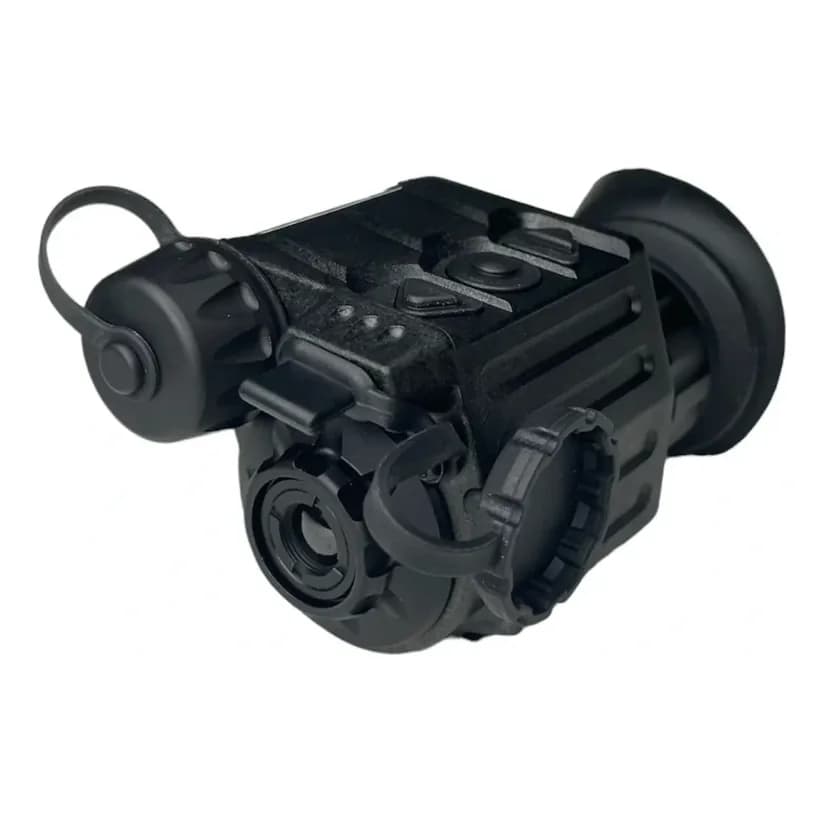
Armasight Sidekick 320
- Sensor
- 320×240
- Pitch · Hz
- 12 µm · 60
- Lens
- 9.1 mm
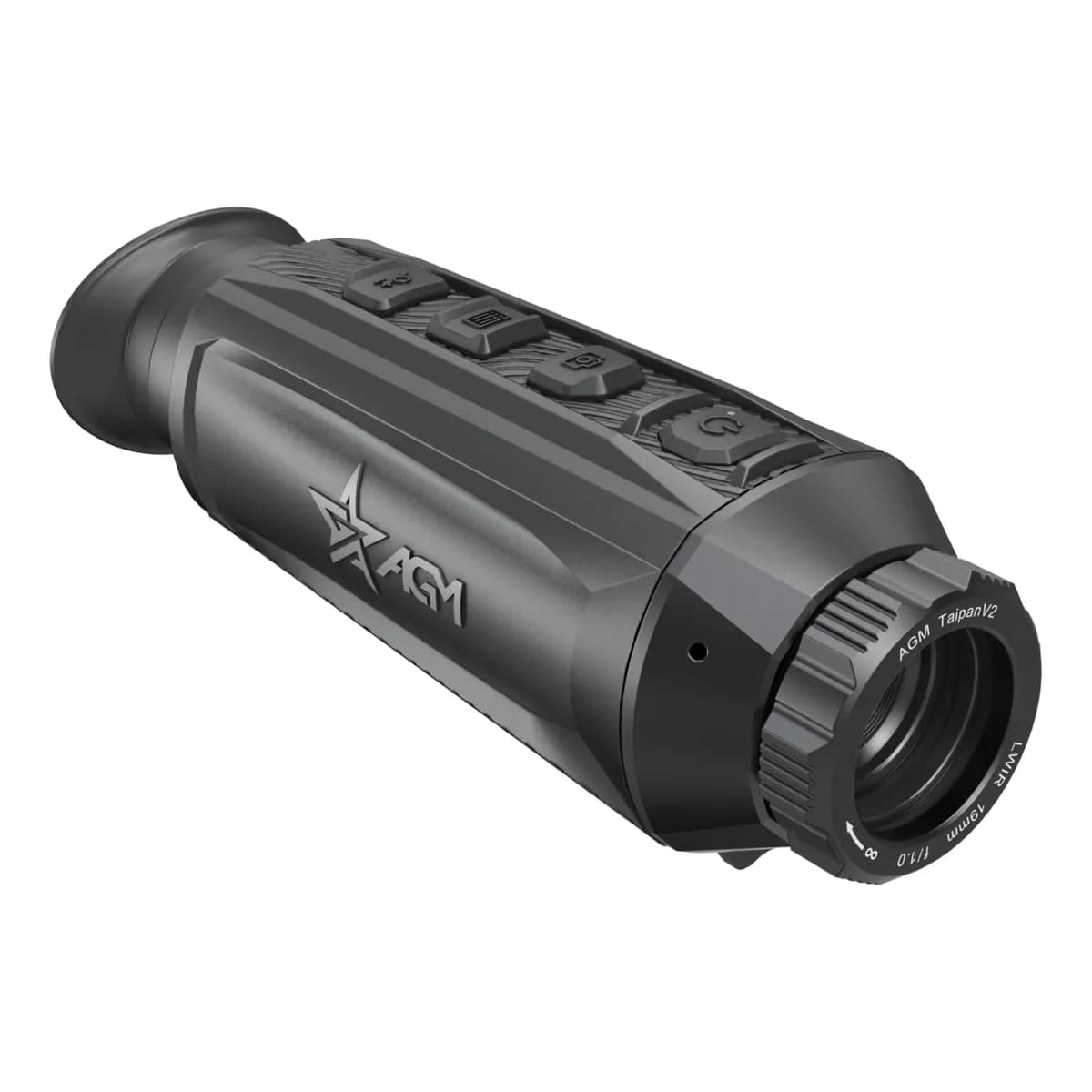
AGM Taipan V2 19-320
- Sensor
- 320×256
- Pitch · Hz
- 12 µm · 50
- Lens
- 19 mm
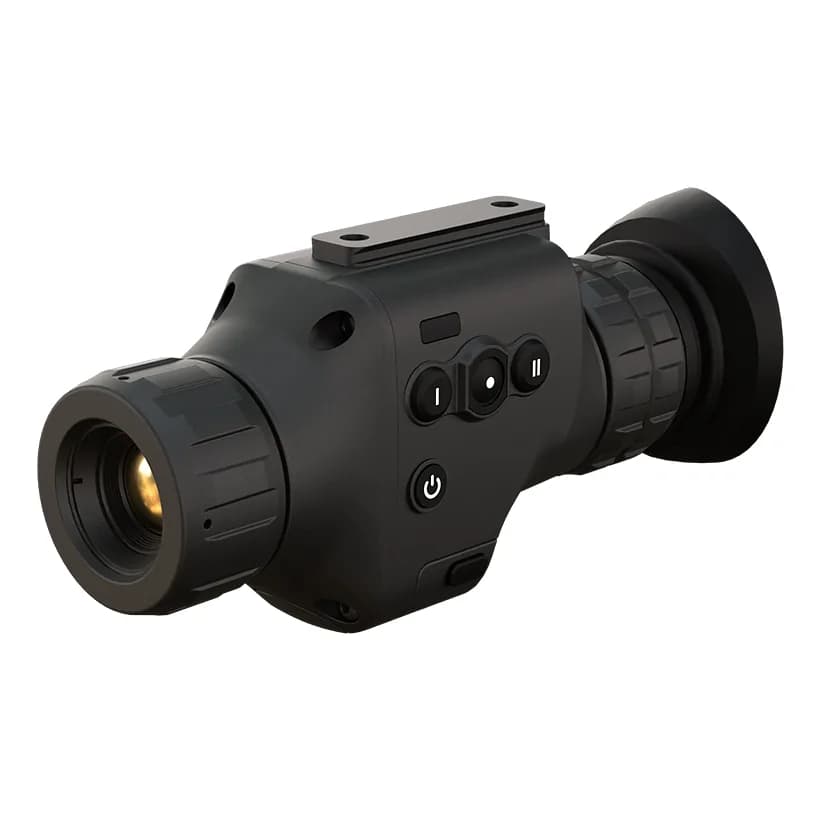
ATN ODIN LT 320 2-4x
- Sensor
- 320×240
- Pitch · Hz
- 12 µm · 60
- Lens
- 19 mm