Armasight quotes 331 m, 1.7× our figure, because makers usually measure against a person’s full height rather than their width. Why the numbers differ
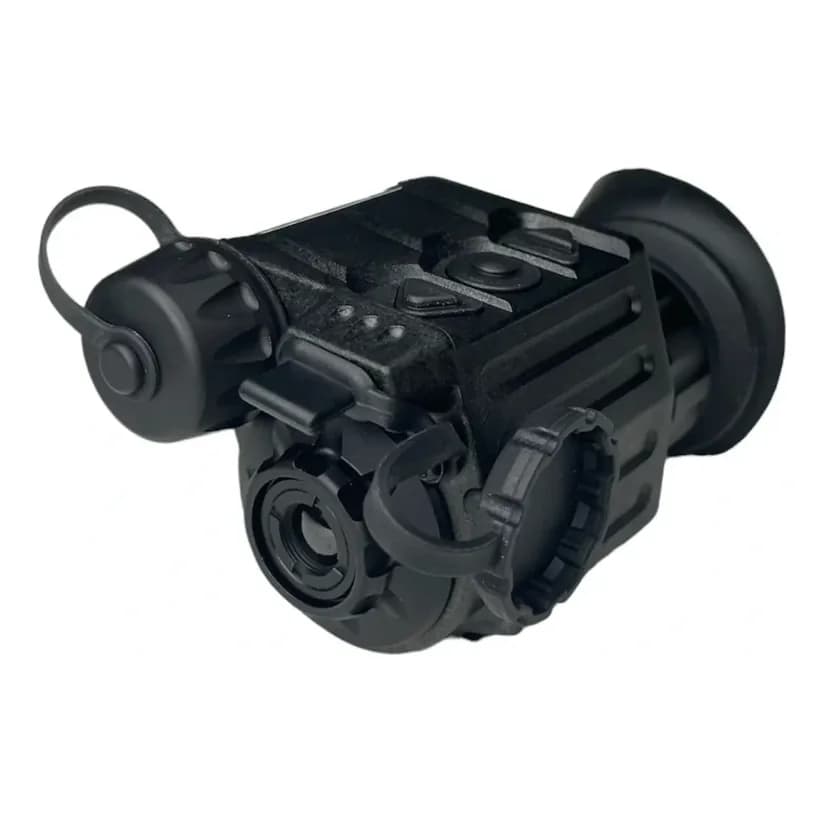
Armasight Sidekick 320
- Approx. price
- ~$1,049
- Sensor
- 320×240 · 12 µm
- Lens
- 9.1 mm · 1×
- Weight
- 7.5 oz
We may earn a commission. Price and availability on Amazon’s site may differ.
Walk-and-scan glassing from a jacket pocket
01Specifications
As published by Armasight. Sources: armasight.com (sale price; MSRP $1,999).
- Sensor
- 320×240
- Pixel pitch
- 12 µm
- NETD
- <40 mK
- Refresh rate
- 60 Hz
- Lens
- 9.1 mm
- Digital zoom
- up to 4×
- Field of view
- 24.18° horizontal
- Display
- 1024x768 OLED
- Claimed detection
- 331 m
- Claim basis
- human-sized target
- Run time
- 1.5 h
- Battery type
- CR123
- Weight
- 7.5 oz
- Length
- 3.9″
- Records video
- Yes
- Wi-Fi
- No
- IP rating
- IP67
- Warranty
- 3 years
- Country of origin
- USA (assembled)
- Approx. price
- ~$1,049
02Pros and cons
From the published specs. What owners report is in the next section.
- Smooth 60 Hz picture on a running animal
- Takes CR123 batteries you can swap in the field
- Light at 7.5 oz, 7th-lightest of the 112 handhelds here
- Waterproof (IP67), survives a dunking
- Wide 24° view for scanning a field
- ~$1,049, well under the ~$1,995 typical for handhelds here
- Only 1.5 h of battery
- No rangefinder, so you judge distance by eye
- Entry-level 320×240 sensor, with less detail than a 640
- Zoom past 1× is digital and gets blurry
03What owners say
owner discussions, 2024–2026Summarised from 12 public owner discussions between 2024 and 2026. Owner experience, not a measurement.
The Sidekick 320 is the thermal people bolt beside a PVS-14 on a bridge for a budget fusion rig, and that is where almost every owner story starts. Opinion splits sharply. People who bought it as a first thermal, often at the $1,300 to $1,650 street prices of 2025, are happy: the picture is clean, the housing is a tank, and discovering how many animals they had been walking past is the revelation. People who already owned a 384 or a 640 are not. Several returned the 320 inside the return window and swapped for the Sidekick 640, and one owner's buddy calls the 320 mediocre next to a StingIR 384.
The practical numbers owners give are consistent: a person can be identified to about 100 yards and not much past it, detection reaches well beyond, and the in-menu settings buy a little extra. One owner who received a used Sidekick by mistake in place of the FLIR Breach he thought he was buying found it clearer than his old Breach and kept it, which fits how owners describe the 320, as the Breach's successor with more functions. The advice that closes every buying discussion is to find the 640 version instead, which turns up second-hand for only a couple hundred dollars more.
- First-thermal owners are pleased with it at 2025 street prices: the picture is clean, the housing is described as a tank, and one owner says he never knew how many animals he was missing until he started scanning with it.
- Owners treat it as the modern FLIR Breach: one who got a Sidekick instead of the Breach he ordered found the image clearer than his old Breach and liked it a little better, and registering a new unit with Armasight got another owner the latest firmware the same day and a cap and mug in the mail.
- It bridges cleanly to a PVS-14: owners run it on a Rayvn Rail or a Herotac DAD bridge for a poor man's fusion setup, and a 2026 owner pairs it with a Gen 2+ tube the same way.
- Owners who already had a 384 or 640 send it back: two returned the 320 for the Sidekick 640 after the image disappointed them, a Rattler 384 owner says his resolution is far better, and the blunt consensus in deal discussions is that 384 is the floor and the 320 is not worth it even at $1,300.
- Identification range is short: one owner can make out a person to about 100 yards and nothing past that, and the settings only buy a little more; another says both detection and identification distances fall well short of the 640.
- Controls and firmware can misbehave: a used unit needed a five-second-plus hold on the power button to start and froze while adjusting brightness until the battery was pulled, and Sidekick 640 owners say to keep up with firmware updates.
- Bridge alignment is fiddly: one owner trying a buddy's Rayvn bridge could not get the eyepieces lined up with his PVS-14, and owners who have run several bridges moved to the Herotac DAD for its IPD and fore-aft adjustment.
- Resale and lead times both disappoint: thermals do not hold value the way night vision does, owners say, with used Sidekick 640s showing up for only a couple hundred more than a new 320, and a Prime Day order quoted at two to four weeks was still unshipped at week five.
Should I get the Sidekick 320 or spend more on the Sidekick 640?
Owners who have had both say get the 640. Two of them returned a 320 within the return window because the image disappointed them and swapped for the 640, which they describe as noticeably better at both detecting and identifying, and used 640s show up for only a couple hundred dollars more than a new 320. The owners happy with the 320 are mostly on their first thermal and use it to detect rather than identify.
Can I bridge the Sidekick 320 to a PVS-14?
Yes, that is the most common way owners run it. The Rayvn Rail two-pod bridge is the usual recommendation, though one owner could not get a buddy's Rayvn to line up his eyepieces properly; owners who have tried several bridges rate the Herotac DAD highest because it adjusts for IPD and fore-aft position and comes with a QD dovetail shoe. People who have done it describe the result as fun but not a substitute for a second tube.
How far can you identify things with it?
About 100 yards for a person, according to an owner in a humid area, with the in-device settings adding a little but not much. Detection reaches considerably further, which is why owners who use it as a helmet-mounted scanner for hogs inside 250 yards are satisfied while anyone trying to identify at range is not.
Is the Sidekick 320 the same as the FLIR Breach?
Owners describe it as the Breach's successor in the same resolution class with more functions, and one who received a Sidekick in place of the Breach he ordered found the image clearer than his old Breach and kept it. Expect the same short identification distances the Breach had; the 640 version is the one that changes that.
04Compare the 320
05Related units
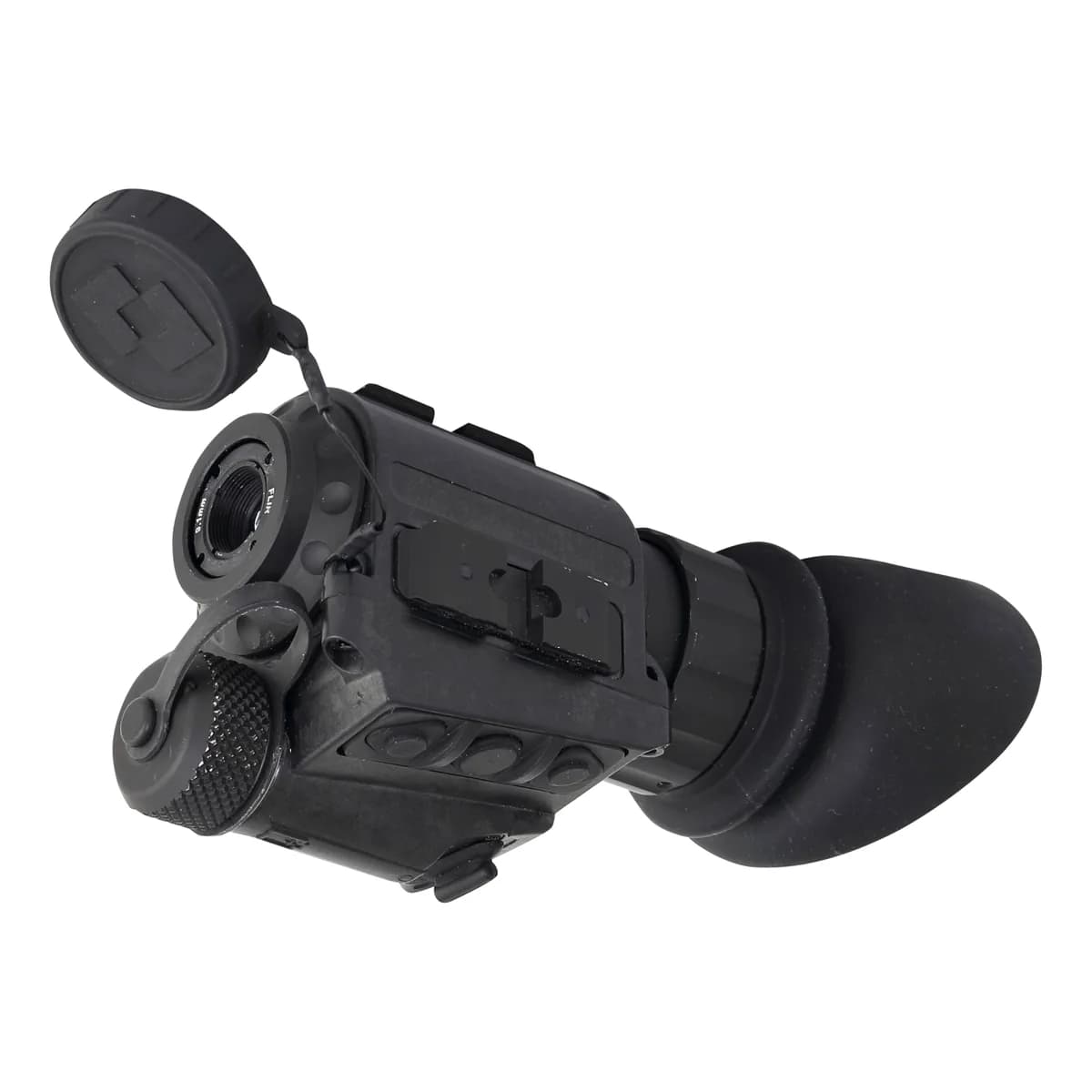
Teledyne FLIR Breach PTQ136
- Sensor
- 320×256
- Pitch · Hz
- 12 µm · 60
- Lens
- 9.1 mm
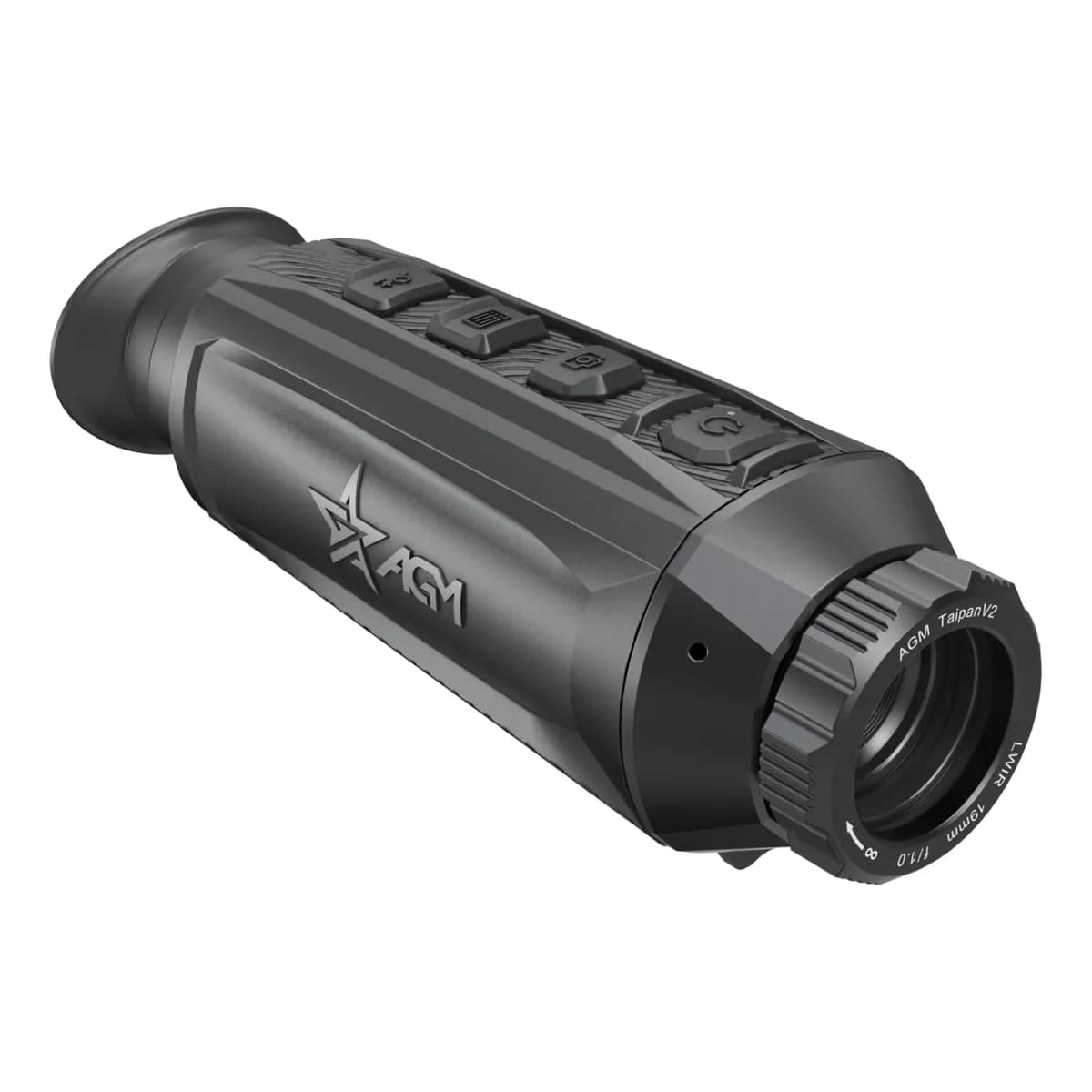
AGM Taipan V2 19-320
- Sensor
- 320×256
- Pitch · Hz
- 12 µm · 50
- Lens
- 19 mm
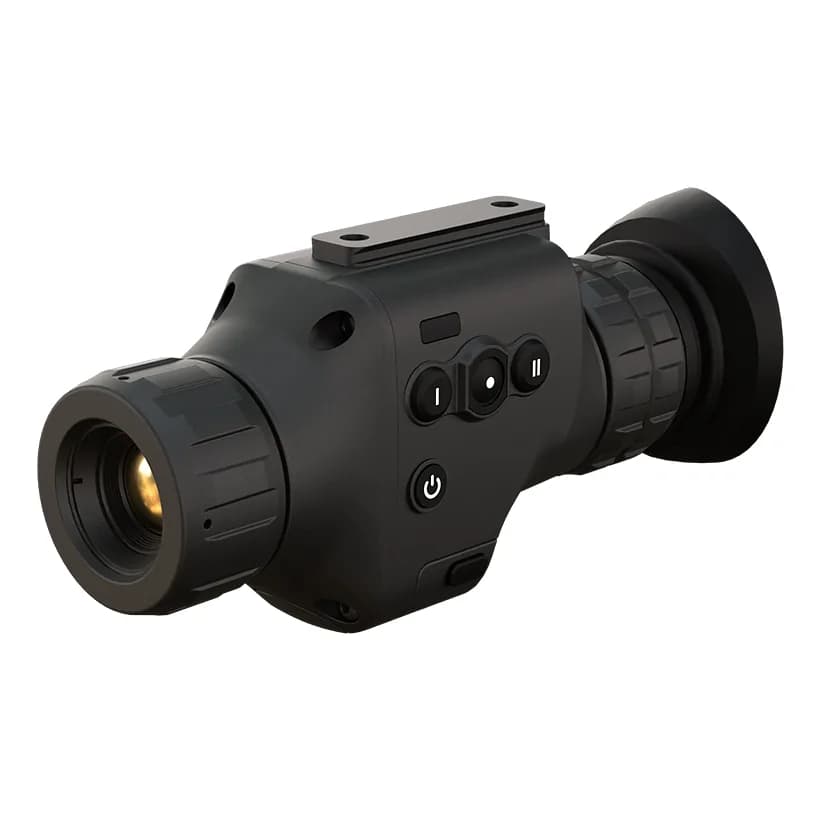
ATN ODIN LT 320 2-4x
- Sensor
- 320×240
- Pitch · Hz
- 12 µm · 60
- Lens
- 19 mm