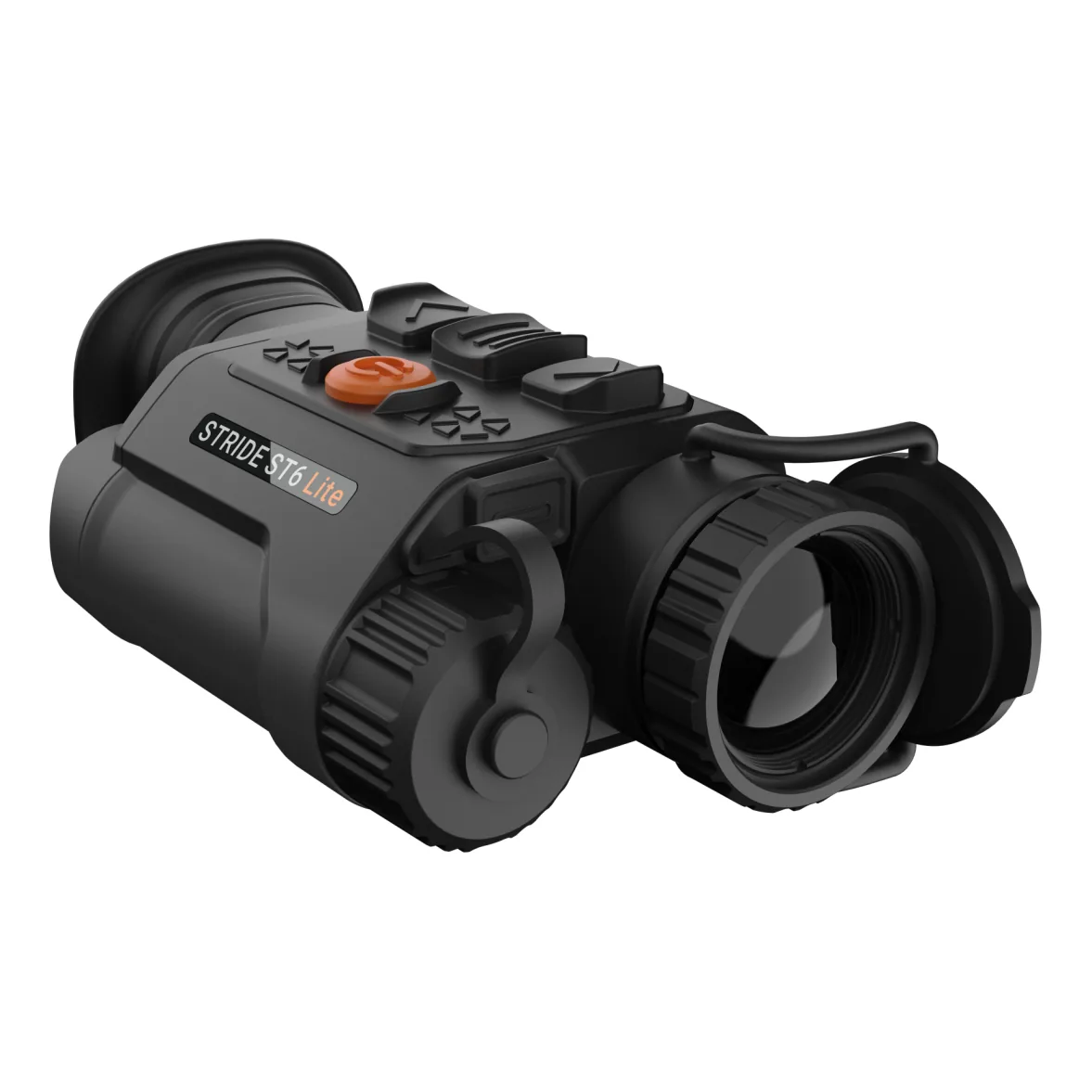
RIX quotes 1,300 m, 2.5× our figure, because makers usually measure against a person’s full height rather than their width. Why the numbers differ
RIX Stride ST6 Lite
- Approx. price
- ~$2,199
- Sensor
- 640×512 · 12 µm
- Lens
- 25 mm · 1×
- Weight
- 7.2 oz
Price and availability on RIX’s site may differ.
Walk-and-scan glassing from a jacket pocket
01Specifications
As published by RIX. Sources: rixoptics.com (product page spec table + store API price, stock).
- Sensor
- 640×512
- Pixel pitch
- 12 µm
- NETD
- <20 mK
- Refresh rate
- 50 Hz
- Lens
- 25 mm
- Digital zoom
- up to 6×
- Field of view
- 17.5° horizontal
- Display
- 1024x768 OLED
- Claimed detection
- 1,300 m
- Claim basis
- unspecified
- Run time
- 4 h
- Battery type
- 18650
- Weight
- 7.2 oz
- Length
- 5.1″
- Records video
- Yes
- Wi-Fi
- Yes
- IP rating
- IP67
- Warranty
- 5 years
- Approx. price
- ~$2,199
02Pros and cons
From the published specs. What owners report is in the next section.
- 640×512 sensor, 3× the detail of an entry-level 384
- Sensitive sensor that picks out small heat differences on humid or rainy nights (104th-best of 285 that publish it)
- Takes 18650 batteries you can swap in the field
- Light at 7.2 oz, 3rd-lightest of the 112 handhelds here
- Waterproof (IP67), survives a dunking
- Records video and connects to a phone app
- Warranty: 5 years
- Only 4 h of battery
- No rangefinder, so you judge distance by eye
- Zoom past 1× is digital and gets blurry
03What owners say
owner discussions, 2024–2026Summarised from 15 public owner discussions between 2024 and 2026. Owner experience, not a measurement; owners rarely distinguish the Stride ST6 variants, so this covers the family.
Almost everything owners have written is about the original Stride ST6 from 2024. Owners usually just say 'ST6', and the 2026 posts that name the Lite are mostly mounting questions, so read this as the ST6 line in general; nobody has yet reported whether the Lite's firmware fixes the complaints below. Owners agree on the image itself: 'super clean', 'insanely clear', and one who sold his called it a great little helmet thermal. In fog, rain and humid overcast nights owners say it is excellent.
The complaints are about software. Owners say the ST6 is the same hardware as iRay's Jerry YM 2.0 sold outside the US, with clip-on mode, image offset for collimation, adjustable red hot, scene modes and the finer brightness and contrast steps removed, at much the same price. The practical result is too much contrast even at the lowest setting, black hot that will not separate dark grays at full brightness, and a unit one Florida owner only bothers with in certain conditions. Two owners added an iris diaphragm to tame it. As of late 2024 owners were still on the launch firmware.
- Clean, sharp image for the money; owners who otherwise criticize the ST6 still call the picture great.
- Works well in fog, rain and humid, cloudy conditions, which is when one owner who also has a Pulsar Telos reaches for it.
- A good size and weight for helmet use, and buyers comparing it with the Armasight Sidekick 640 like that it needs no extra mounts and has a 90-degree tilt sensor.
- The OLED's true blacks make black hot quick to read for detection when the scene cooperates.
- Locked-down software: only a few steps of brightness and contrast, no clip-on mode and no image offset for collimating with night vision. Owners who wanted dual band were told to look elsewhere.
- Too much contrast even at the lowest setting. In sunny or heat-soaked scenes owners struggle to tell a critter from a tree trunk or rock, and the original red hot palette was solid red with no gradient.
- In black hot at full brightness one owner could not tell dark grays from black and nearly returned it for a Sidekick.
- The eyepiece screen looks small, about half the apparent size of a Pulsar Telos XP50's, to an owner who has both.
- The stock dovetail only fits a bridge; to mount it straight to a Wilcox G24 you need RIX's own mount, and one owner could not get it far enough back on his bridge.
- Firmware updates were slow; owners were still on the launch version in late 2024, and some are wary of buying from an iRay-owned brand under US sanctions.
Stride ST6 or Armasight Sidekick 640?
Buyers say the RIX gives the better image and detection range, mounts without extra parts and has a tilt sensor. The Sidekick has the wider field of view, works in lower temperatures, offers more image customization and can be collimated with a PVS-14. Owners who plan to run dual band lean Sidekick for that last reason.
How do I mount it beside a PVS-14 or on a G24?
The dovetail in the box is meant for a bridge. Owners use a Rayvn bridge or a KVC-style bridge with a Mod Armory dovetail. To mount it alone on a Wilcox G24 you need the RIX mount, which then gives you the G24's height, fore-aft and tilt adjustment.
Does the Lite fix the original ST6's complaints?
Owners have not said yet. Discussion of the Lite so far is about mounting, so the software criticism above comes from the original ST6 and may or may not apply.
04Compare the Lite
05Related units
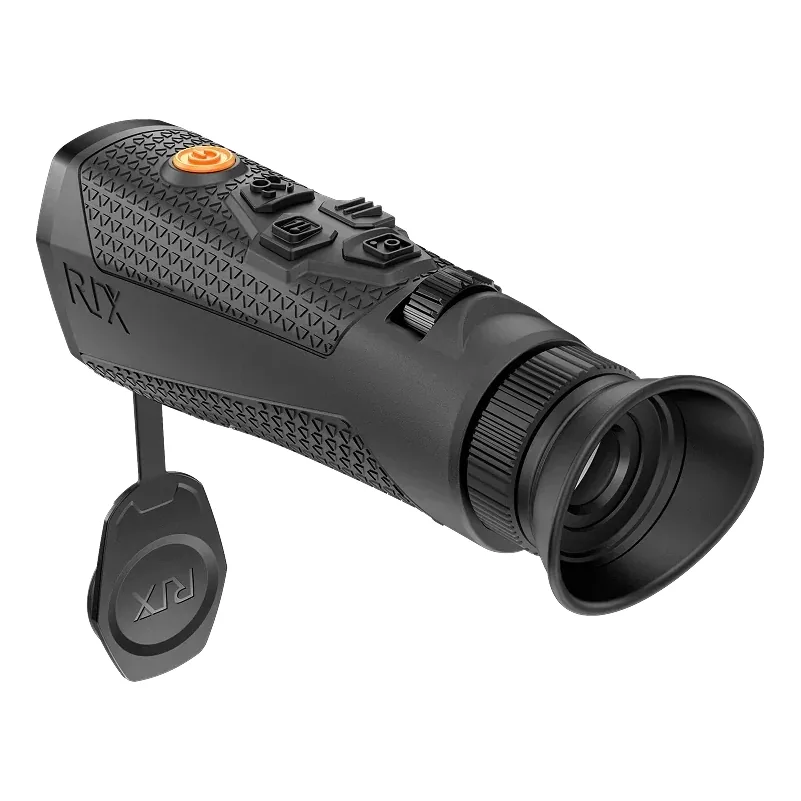
RIX Titan T6
- Sensor
- 640×480
- Pitch · Hz
- 12 µm · —
- Lens
- 35 mm
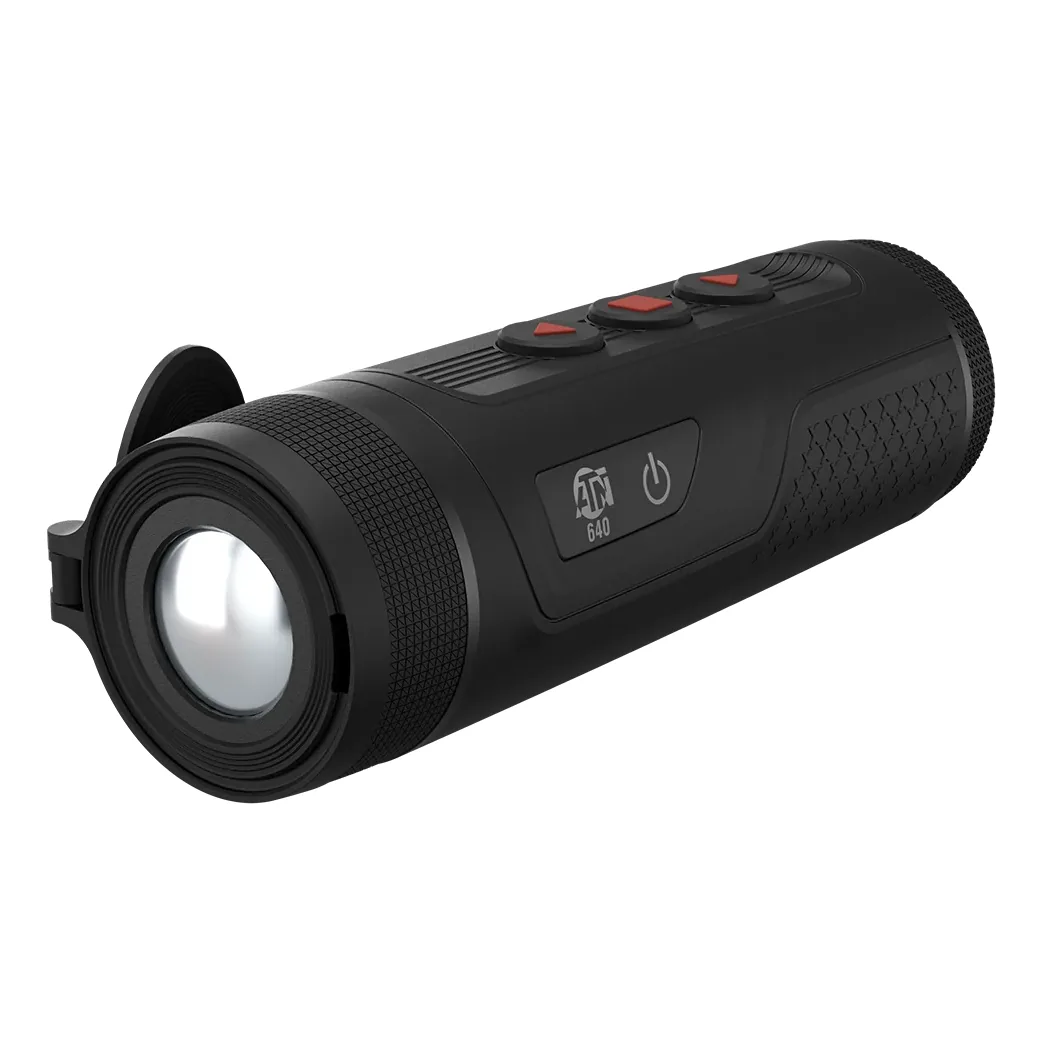
ATN BlazeTrek 6 625
- Sensor
- 640×512
- Pitch · Hz
- 12 µm · 50
- Lens
- 25 mm
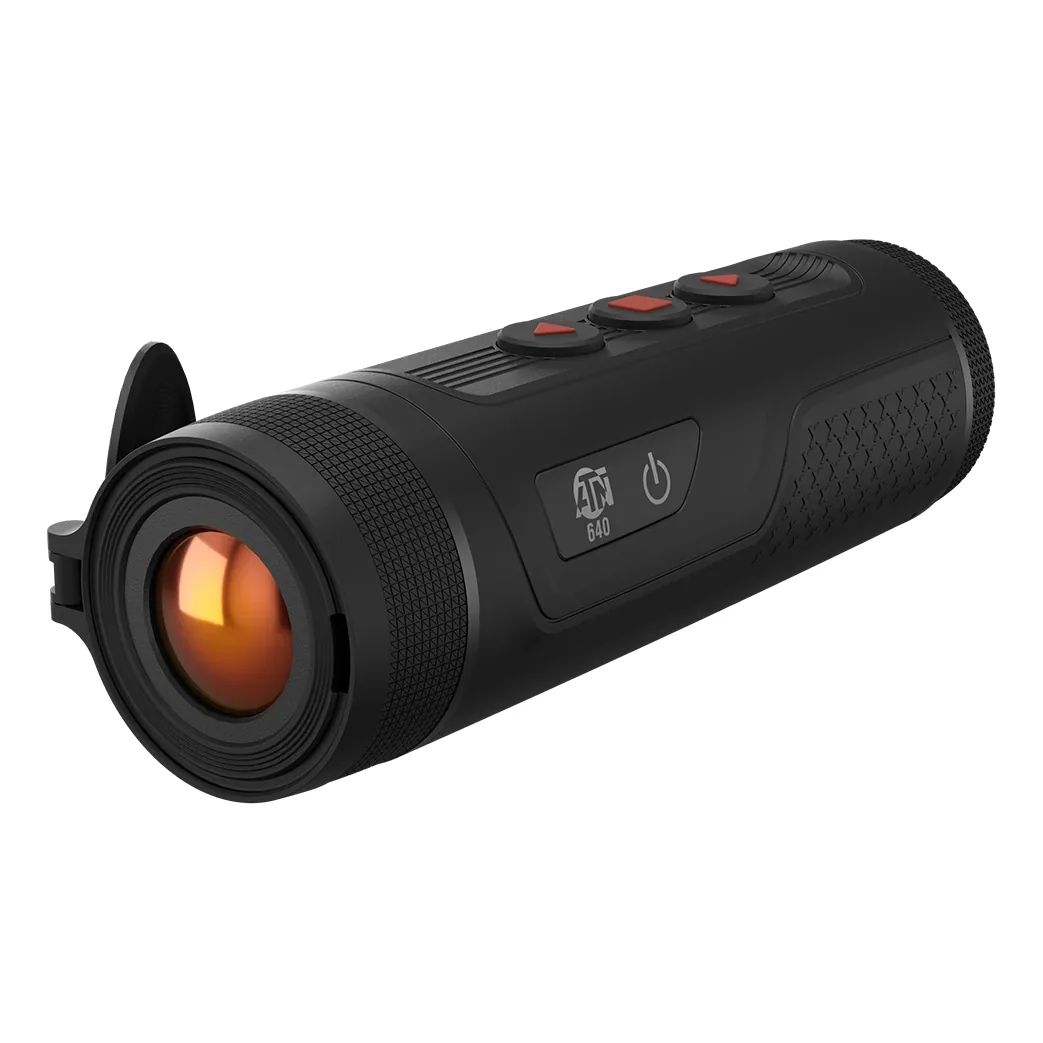
ATN BlazeTrek 625
- Sensor
- 640×512
- Pitch · Hz
- 12 µm · 50
- Lens
- 25 mm