Pulsar quotes 1,800 m, 2.4× our figure, because makers usually measure against a person’s full height rather than their width. Why the numbers differ
Pulsar Thermion 2 XP50 Pro
- Approx. price
- ~$4,500
- Sensor
- 640×480 · 17 µm
- Lens
- 50 mm · 2×
- Weight
- 31.7 oz
Price and availability on Pulsar’s site may differ.
A dedicated night rifle for hogs and coyotes inside about 150 yards
01Specifications
As published by Pulsar. Sources: pulsarnv.com, pulsarvision.com, eurooptic.com.
- Sensor
- 640×480
- Pixel pitch
- 17 µm
- NETD
- <25 mK
- Refresh rate
- 50 Hz
- Lens
- 50 mm
- Digital zoom
- up to 16×
- Field of view
- 12.4° horizontal
- Display
- 1024x768 AMOLED
- Claimed detection
- 1,800 m
- Claim basis
- deer
- Run time
- 8.5 h
- Battery type
- Internal + removable
- Weight
- 31.7 oz
- Length
- 16.2″
- Records video
- Yes
- Wi-Fi
- Yes
- IP rating
- IPX7
- Warranty
- 3 years (5 with registration)
- Approx. price
- ~$4,500
02Pros and cons
From the published specs. What owners report is in the next section.
- 640×480 sensor, 2.8× the detail of an entry-level 384
- Ballistic calculator (you enter the range yourself)
- Swappable battery pack, so a spare doubles the run time
- 8.5 h of battery
- Waterproof (IPX7), survives a dunking
- Records video and connects to a phone app
- No rangefinder, so you judge distance by eye
- ~$4,500, well above the ~$3,000 typical for riflescopes here
- Zoom past 2× is digital and gets blurry
03What owners say
owner discussions, 2022–2026Summarised from 14 public owner discussions between 2022 and 2026. Owner experience, not a measurement; owners rarely distinguish the Thermion 2 XP50 Pro variants, so this covers the family.
Owners in these discussions often just write 'Thermion 2 XP50', and many never say whether theirs has the rangefinder, so this covers both the LRF and non-LRF Pro. It is the scope people bought to stop waiting for the feeder light: owners run it on everything from a .17 HMR to a .300 Win Mag on QD mounts, save several zeros per rifle in profiles, and post a steady stream of hogs, coyotes and a bobcat taken with it. First-time owners, including one who bought it used for half the new price, describe being blown away, and an owner who also has a Talion XQ38 says he always grabs the Thermion. Several who moved over from AGM say Pulsar's software is the reason.
The weak spots are the electronics. One owner had two units die of a sticky shutter, the first after six months and the replacement in under a year, and Pulsar replaced the first one the day after it arrived. Another's screen froze after every shot on a 5.56 AR until a long-press reboot. Zero saves that do not confirm, a Wi-Fi app that will not connect during setup, and a heavy, long rig that is tiring to scan with round out the complaints.
- Image owners describe as crisp, with palettes they switch between as conditions change; first-time owners say they were blown away, and one has filmed feeding pigs past 400 yards.
- Multiple profiles with several zeros each, so owners move it between a rimfire, an AR and a magnum on a QD mount without re-zeroing.
- On the LRF version, the ballistic calculator moves the aim point after you range, which owners call what thermal dreams are made of; several say they misjudged 200-yard targets as 100 before they had it.
- Owners who came from AGM say Pulsar's software and menus are the reason they switched, and the one owner whose unit failed had a brand-new replacement shipped the day after it arrived.
- Owners who also have a cheaper Pulsar or AGM say this is the one they reach for every time.
- One owner's unit got a sticky shutter and a grey screen after six months, and the replacement failed the same way in under a year; he paid $3,500 and is moving to iRay.
- Another owner's screen froze and the buttons went dead after every shot on a 5.56 AR until he held the power button for a reboot, with the mount torqued to spec.
- Zero saves are unreliable for some owners: no saved-coordinates confirmation, and one kept finding the reticle back at its old position after leaving the menu.
- Some picture settings need the Stream Vision 2 app, and at least one new owner could not get it to connect over Wi-Fi.
- Heavy and long on a hunting rifle; owners say scanning with it gets old fast and nearly all of them add a handheld.
Is the LRF version worth about $1,000 more?
Most owners who answered say yes. Judging distance in thermal is much harder than it looks, and one owner found targets he called 100 yards were really 200. With a ballistic profile loaded, the reticle moves after you range. Owners who keep every shot inside a flat-shooting rifle's point-blank range say you can skip it, but some then buy a rangefinding monocular later.
Will it hold zero on a magnum?
Owners run it on a .300 Win Mag Bergara and a .30-06 without zero complaints, and use QD mounts to swap rifles with separate saved profiles. The zero problems reported are about saves not sticking in the menu, not about recoil.
How do I set up ballistics for a load that is not in the app?
An owner with 22 ARC found no entry for his ammunition in the Stream Vision Ballistics app and had to enter it manually. Owners generally start from the manufacturer's published data and true it with real impacts at distance.
Do I need a separate scanner?
Nearly every owner says yes. One compared scanning with the scope on a Bergara HMR to wielding Excalibur all evening, and a UK owner bought an Axion XQ38 LRF the day after his first outing.
04Compare the Pro
05Related units
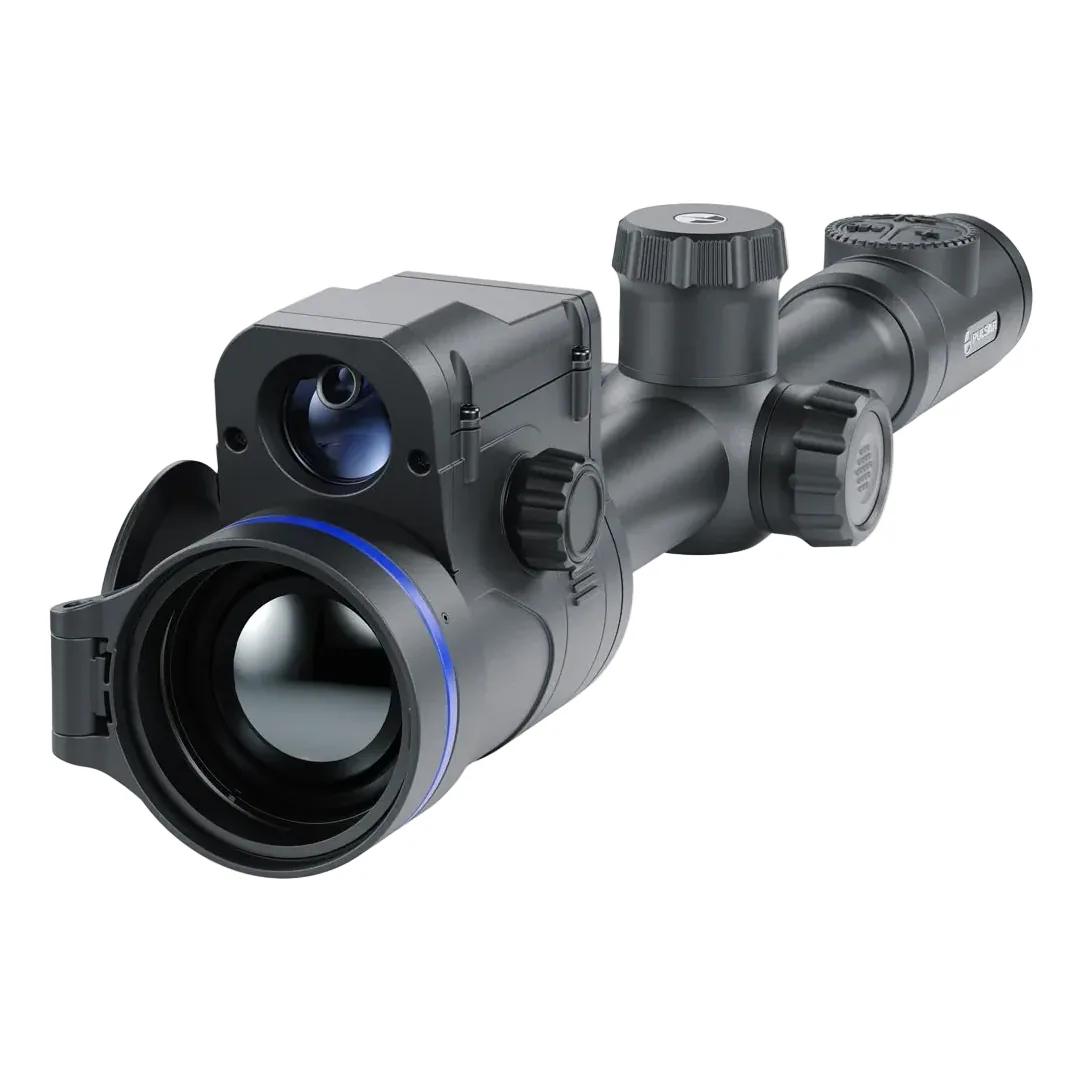
Pulsar Thermion 2 LRF XP50 Pro
- Sensor
- 640×480
- Pitch · Hz
- 17 µm · 50
- Lens
- 50 mm
Pulsar Thermion 2 LRF XG50
- Sensor
- 640×480
- Pitch · Hz
- 12 µm · 50
- Lens
- 50 mm
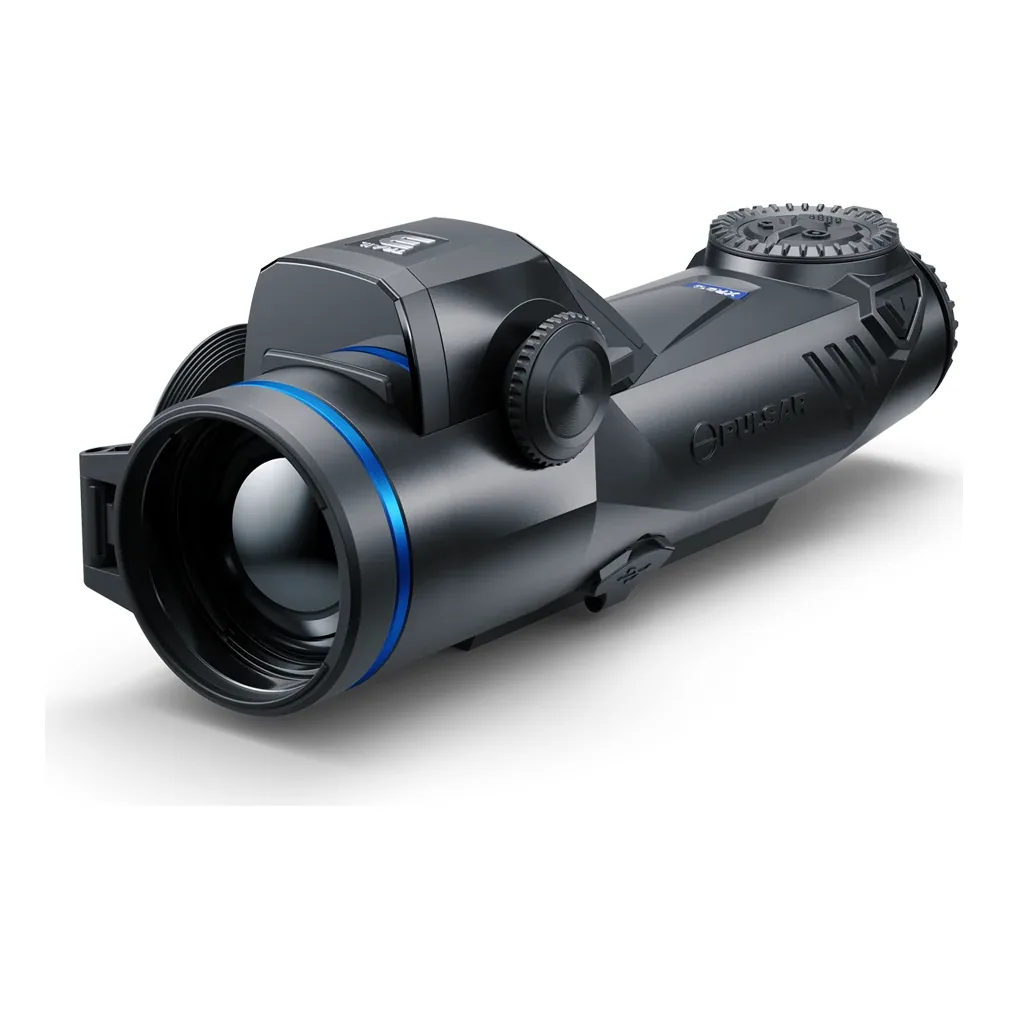
Pulsar Trail 3 LRF XR50
- Sensor
- 640×480
- Pitch · Hz
- 12 µm · 50
- Lens
- 50 mm