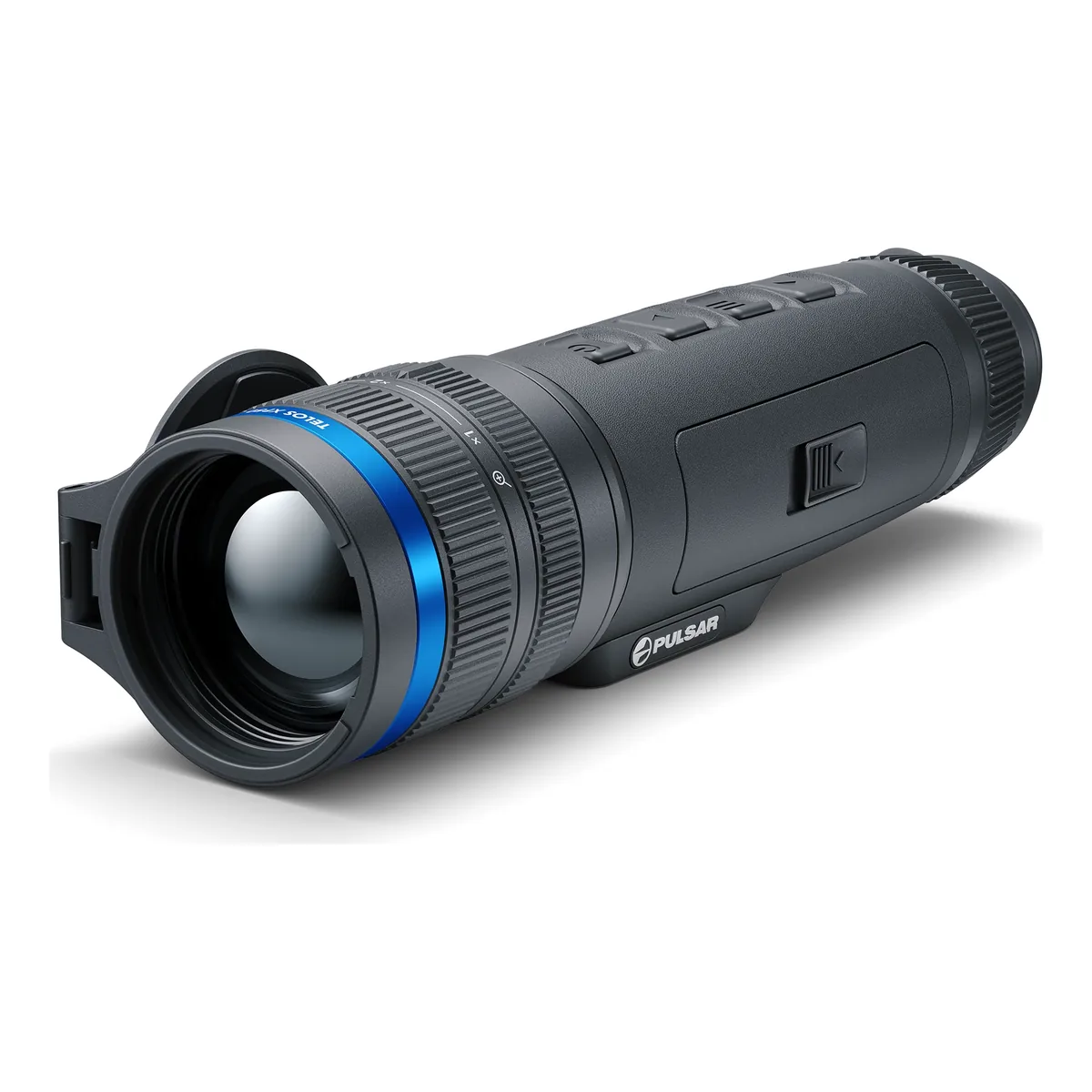
Pulsar quotes 1,800 m, 2.4× our figure, because makers usually measure against a person’s full height rather than their width. Why the numbers differ
Pulsar Telos XP50
- Approx. price
- ~$3,200
- Sensor
- 640×480 · 17 µm
- Lens
- 50 mm · 2.5×
- Weight
- 23.3 oz
We may earn a commission. Price and availability on Amazon’s site may differ.
Scanning from a stand, a truck or a field edge
01Specifications
As published by Pulsar. Sources: pulsarnv.com, pulsarvision.com, outdoorlegacygear.com, hueyoutdoors.com.
- Sensor
- 640×480
- Pixel pitch
- 17 µm
- NETD
- <18 mK
- Refresh rate
- 50 Hz
- Lens
- 50 mm
- Digital zoom
- up to 10×
- Field of view
- 12.4° horizontal
- Display
- 1024x768 AMOLED
- Claimed detection
- 1,800 m
- Claim basis
- human-sized target
- Run time
- 8.5 h
- Battery type
- Removable pack
- Weight
- 23.3 oz
- Length
- 9.4″
- Records video
- Yes
- Wi-Fi
- Yes
- IP rating
- IPX7
- Warranty
- 3 years (5 with registration)
- Approx. price
- ~$3,200
02Pros and cons
From the published specs. What owners report is in the next section.
- 640×480 sensor, 2.8× the detail of an entry-level 384
- Sensitive sensor that picks out small heat differences on humid or rainy nights (56th-best of 285 that publish it)
- Swappable battery pack, so a spare doubles the run time
- 8.5 h of battery
- Waterproof (IPX7), survives a dunking
- Records video and connects to a phone app
- Heavy at 23.3 oz, 10th-heaviest of the 112 handhelds here
- No rangefinder, so you judge distance by eye
- ~$3,200, well above the ~$1,995 typical for handhelds here
- Zoom past 2.5× is digital and gets blurry
03What owners say
owner discussions, 2024–2026Summarised from 10 public owner discussions between 2024 and 2026. Owner experience, not a measurement; owners rarely distinguish the Telos XP50 variants, so this covers the family.
Owners rarely say whether their Telos XP50 has the rangefinder, so this covers both versions. The people who own one use it as a dedicated handheld scanner and talk about its sensitivity more than anything else. One owner who has had his since launch says it can see anything in almost any conditions, another picks up heat signatures past 1,500 yards, and a hog hunter with countless hours behind his calls it a great spot-and-stalk scanner. An owner who bought a RIX Stride ST6 hoping to retire the Pulsar kept the Pulsar: three sensitivity levels he can cycle through let him pull out detail the Stride's flat contrast could not, and the screen looks about twice as large.
The costs are size and how close it can focus. The large lens needs a lot of focusing and cannot focus close, zooming adds little because the screen is already large, and the 2.5x base magnification means watching how much sky or other hot background is in the frame. Against the newest Chinese competition the picture is less one-sided: someone who has seen it beside a Nocpix Vista S50R says the Nocpix has the better image, though one buyer found a Nocpix screen dimmer than the Pulsar's in daylight.
- Sensitivity is the reason owners keep it: three switchable sensitivity levels make identification far easier in tricky conditions than devices with a single contrast setting.
- Owners report detecting heat signatures past 1,500 yards and call it one of the best images they have seen at 640.
- The eyepiece screen looks roughly twice the size of a RIX Stride's or StingIR's, which owners notice immediately when switching.
- A hog hunter with long hours on one calls it an excellent spot-and-stalk scanner, and owners rate it for long-range spotting more than helmet-style close work.
- Its 5 GHz Wi-Fi is quicker than the 2.4 GHz most rivals use, which one owner says makes a real difference when streaming to a tablet or pulling large files.
- A buyer who tried a Nocpix Quest S50R at full brightness found it dimmer in daylight than the Pulsar screen he was used to.
- Needs frequent focusing and will not focus close, so it is awkward for close-in scanning.
- Large for a monocular; one owner says if he could only own one device it would be an RH25, with the Telos as the long-range second unit.
- Digital zoom adds little because the screen is already so large.
- At 2.5x base magnification it is easy to fill the frame with sky or other hot objects when looking for small animals up high.
- Someone who has looked through both says the Nocpix Vista S50R has the better image.
Telos XP50 or a 1x helmet-style thermal?
Owners who have both say they do different jobs. One who bought a RIX Stride ST6 to replace his Telos kept reaching for the Pulsar because it handled identification better, especially in sun-heated scenes, but he still uses the Stride for hands-free work. Another owner says you will love the Telos but miss having a 1x device.
How does it compare with the Telos XL50?
One long-time XP50 owner says the XL50 fixes the XP's weak points (heavy focusing, poor close focus and pointless zoom) but not its size, and would pick the XL50 for a dedicated long-range role.
Telos or Merger binocular for long-range spotting?
A hog hunter who owns a Telos says the Merger is the better tool if you sit still, such as on a coyote stand or glassing elk, but it is heavy and hard to use one-handed, while the Telos suits spot and stalk. Others note a binocular is easier on the eyes over long sessions.
04Compare the XP50
05Related units
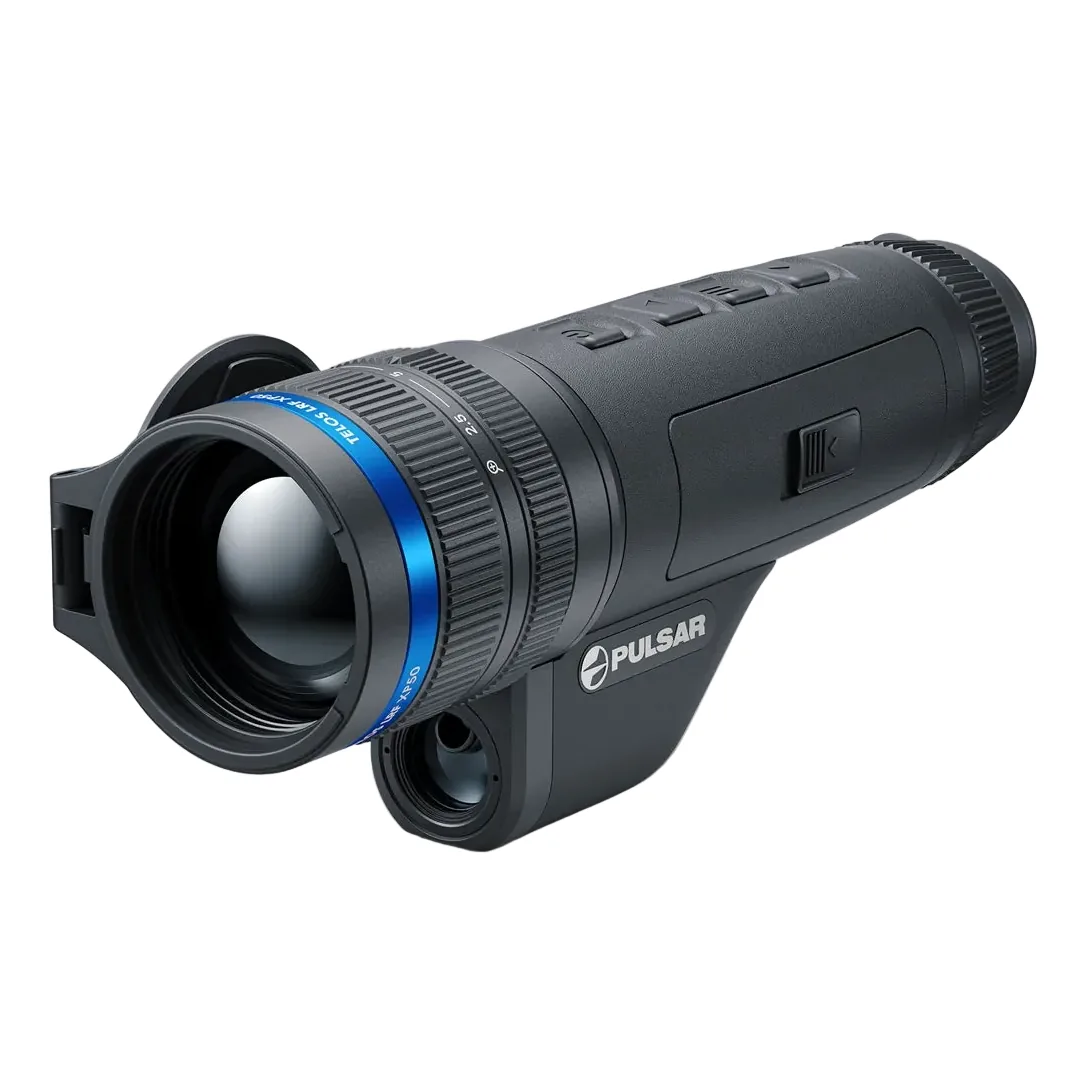
Pulsar Telos LRF XP50
- Sensor
- 640×480
- Pitch · Hz
- 17 µm · 50
- Lens
- 50 mm
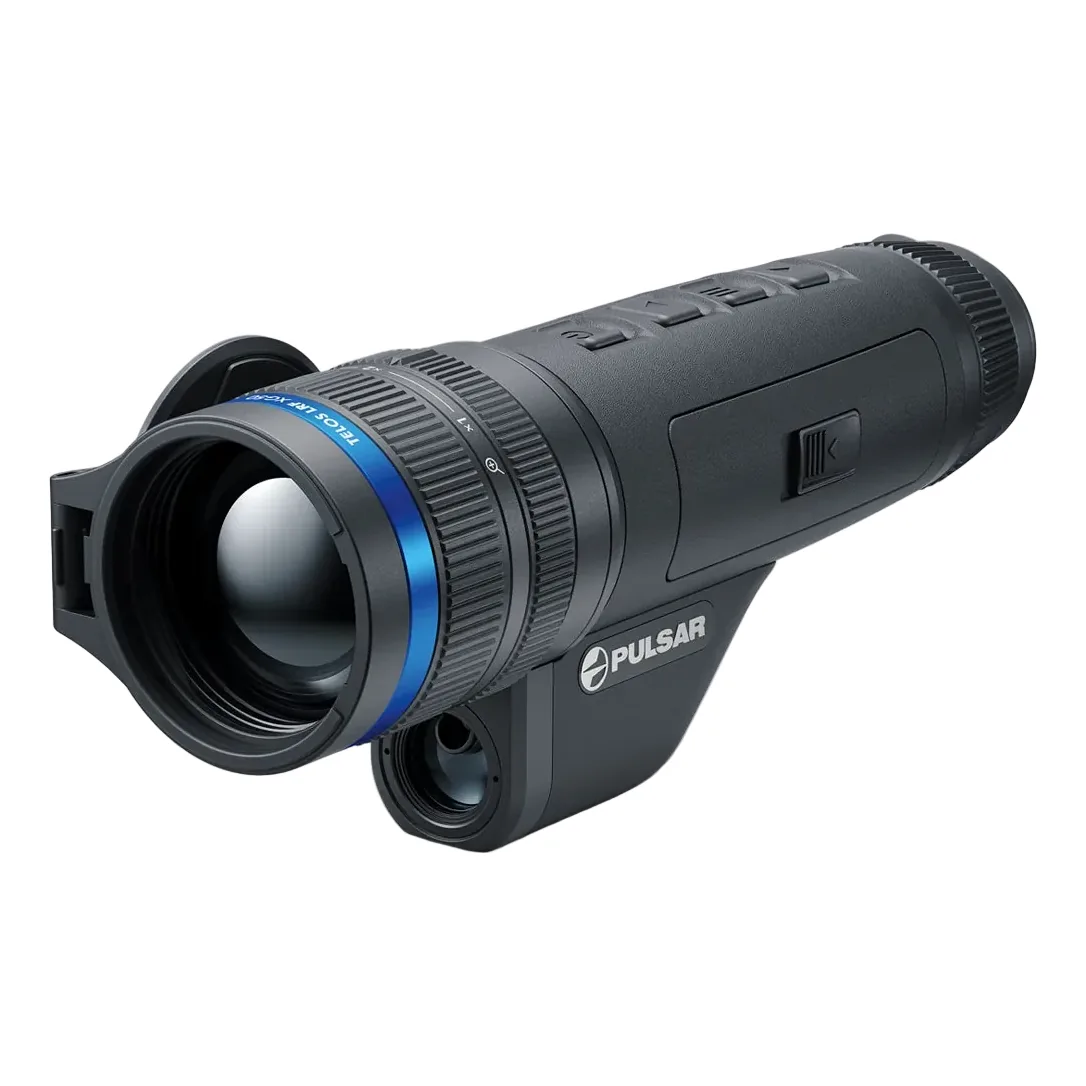
Pulsar Telos LRF XG50
- Sensor
- 640×480
- Pitch · Hz
- 12 µm · 50
- Lens
- 50 mm
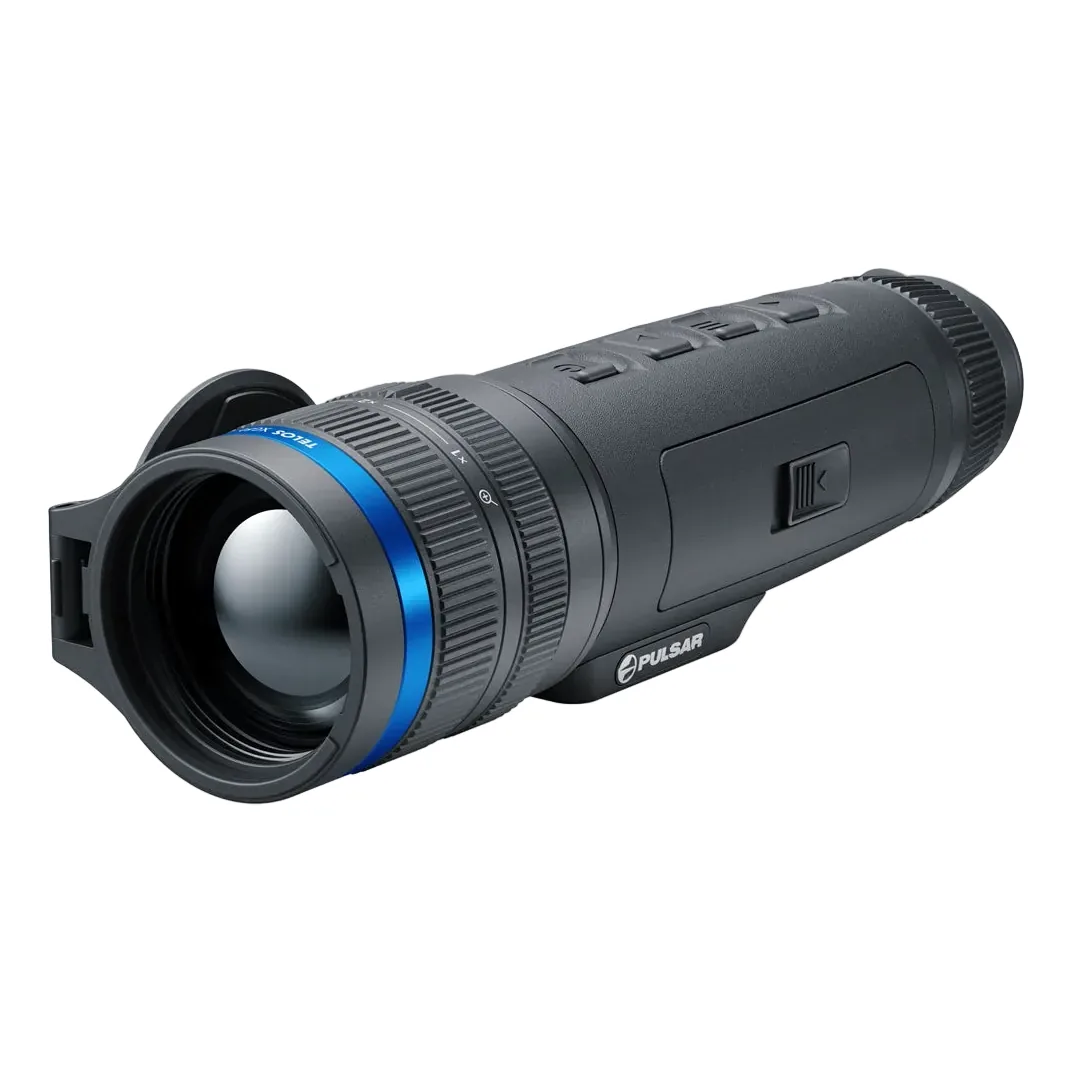
Pulsar Telos XG50
- Sensor
- 640×480
- Pitch · Hz
- 12 µm · 50
- Lens
- 50 mm