AGM Global Vision quotes 1,250 m, 2.4× our figure, because makers usually measure against a person’s full height rather than their width. Why the numbers differ
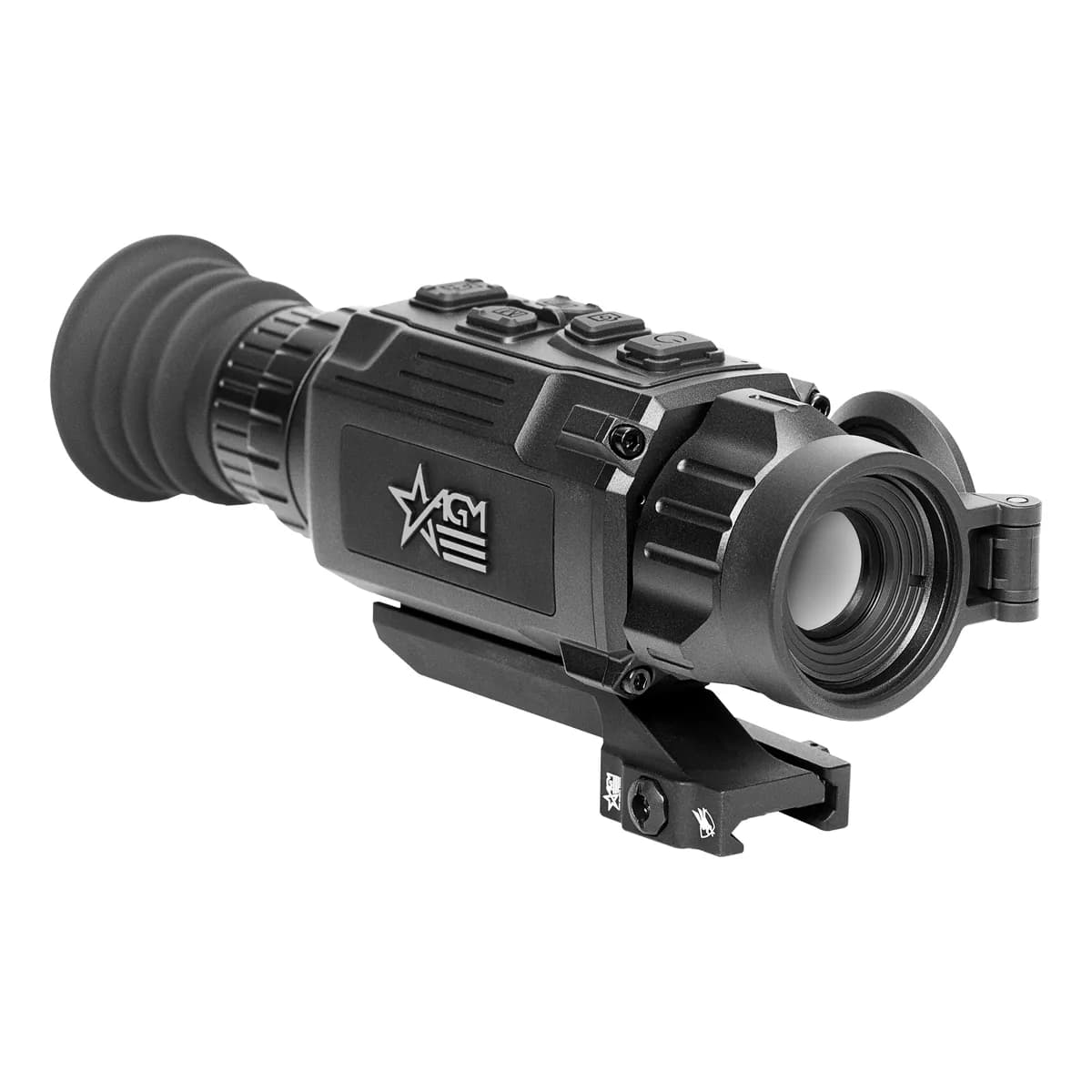
AGM Rattler V2 25-256
- Approx. price
- ~$875
- Sensor
- 256×192 · 12 µm
- Lens
- 25 mm · 3.5×
- Weight
- 17.3 oz
We may earn a commission. Price and availability on Amazon’s site may differ.
A dedicated night rifle for hogs and coyotes inside about 150 yards
01Specifications
As published by AGM Global Vision. Sources: agmglobalvision.com (product page + RattlerV2 256 datasheet).
- Sensor
- 256×192
- Pixel pitch
- 12 µm
- NETD
- <35 mK
- Refresh rate
- 50 Hz
- Lens
- 25 mm
- Digital zoom
- up to 8×
- Field of view
- 7° horizontal
- Display
- 1024x768 OLED
- Claimed detection
- 1,250 m
- Claim basis
- 6 ft (1.8 m) object
- Run time
- 11.5 h
- Battery type
- Removable pack
- Weight
- 17.3 oz
- Length
- 8.6″
- Records video
- Yes
- Wi-Fi
- Yes
- IP rating
- IP67
- Warranty
- 5 years
- Approx. price
- ~$875
02Pros and cons
From the published specs. What owners report is in the next section.
- Swappable battery pack, so a spare doubles the run time
- 11.5 h of battery, 18th-longest of 344 here
- Light at 17.3 oz, 21st-lightest of the 194 riflescopes here
- Waterproof (IP67), survives a dunking
- Records video and connects to a phone app
- Warranty: 5 years
- ~$875, well under the ~$3,000 typical for riflescopes here
- Short 25 mm lens: a wide view, but less reach than a 50 mm scope
- No rangefinder, so you judge distance by eye
- Entry-level 256×192 sensor, with less detail than a 640
03What owners say
owner discussions, 2024–2026Summarised from 15 public owner discussions between 2024 and 2026. Owner experience, not a measurement.
The 25-256 is the entry ticket, and owners talk about it that way: a thermal under $1,000 that gets a first coyote on the ground the first night. The honest range figures from owners cluster tightly. One running it on a .308 AR-10 can identify and shoot accurately to 150 yards and says the newer sensor changed what he expected from a 256 core; another separates cottontails from jackrabbits at 100 yards; a V1 owner killed coyotes at 225 to 250 and credits the 3.5x base magnification. Past that, every digital zoom step halves what is left and the image goes blocky fast.
The return and upgrade threads tell the other half. One buyer sent his back after a week because anything over base magnification was too pixelated to tell animals apart at 200 yards, and within a season several owners were shopping for a 640. Zeroing is the most common cry for help: more than one new owner could not get a zero to hold from one day to the next, and the stadiametric rangefinder confused the one owner who tried it. Owners who kept it describe some stutter while scanning, which an owner who moved up to a 640 noticed immediately.
- Identification to about 150 yards on a .308 AR-10, and small-game detail at 100 yards that surprised owners who expected worse from a 256 core.
- Removable battery pack and recoil-activated recording are the upgrades over the V1 that owners of both point to.
- Handles .308 recoil without complaint; owners run it on a .308 AR-10, 6.5 Grendel, 7.62x39 and 5.56 uppers.
- Cheapest route to a working thermal: one owner's wife bought it as a Christmas present and he had three coyotes down within weeks, calling it 'not top notch' and loving it anyway.
- Resolution is spent quickly: owners say anything beyond base magnification pixelates, telling species apart past 150 to 200 yards is unreliable, and one buyer returned his after a week.
- 3.5x base magnification is narrow for close work; an owner shooting inside 100 feet wished for a lower starting zoom.
- Noticeable stutter when panning; an owner who moved from a Rattler V2 to a Storm S6 names the faster refresh as the first difference he saw.
- Zeroing frustrates new owners, with several threads asking why the zero was gone the next day and few answers beyond holding from a known zero.
- Buyers regularly outgrow it within a season, and the resale threads show them funding a 384 or 640 soon after.
How far can I really identify a coyote with it?
Owners put honest identification at 150 yards, maybe 200 with a clean background. Shots have been made farther, including coyotes at 225 to 250 by a V1 owner, but the same people say they would not count on telling a coyote from a small deer at that distance, and one owner's 200-yard still of exactly that question drew no confident answers. Beyond base magnification the image degrades quickly.
Is it enough for 300 Blackout and yard pests?
An owner who bought it for exactly that, armadillos inside 100 yards on a 300 BLK, is happy with it and says he would want a 640 only if he were shooting 5.56 or .308 at distance. For armadillos and raccoons that do not run, a V1 owner prefers the 25-256 over the wider 19-256 because the 3.5x base magnification helps rather than hurts.
Should I spend the extra on the 25-384 or 35-384?
Most owners say yes if the budget stretches even a little: resolution halves with each 2x zoom, and the 384 is where identification past 150 yards starts to be dependable. The counter-view comes from an owner who shot hogs beside a friend's 35-384 and saw no reason to spend more as long as he respected the limits.
Why will my zero not hold?
Nobody in these discussions solved it for the people asking; the thread about a zero that was 'way off' the next day drew no useful replies. What Rattler owners do say is to use a heated target so the point of aim is unambiguous, remember that the reticle moves toward the impact rather than away from it, and hold over or under from a known zero rather than chasing it each night.
04Compare the 25-256
05Related units
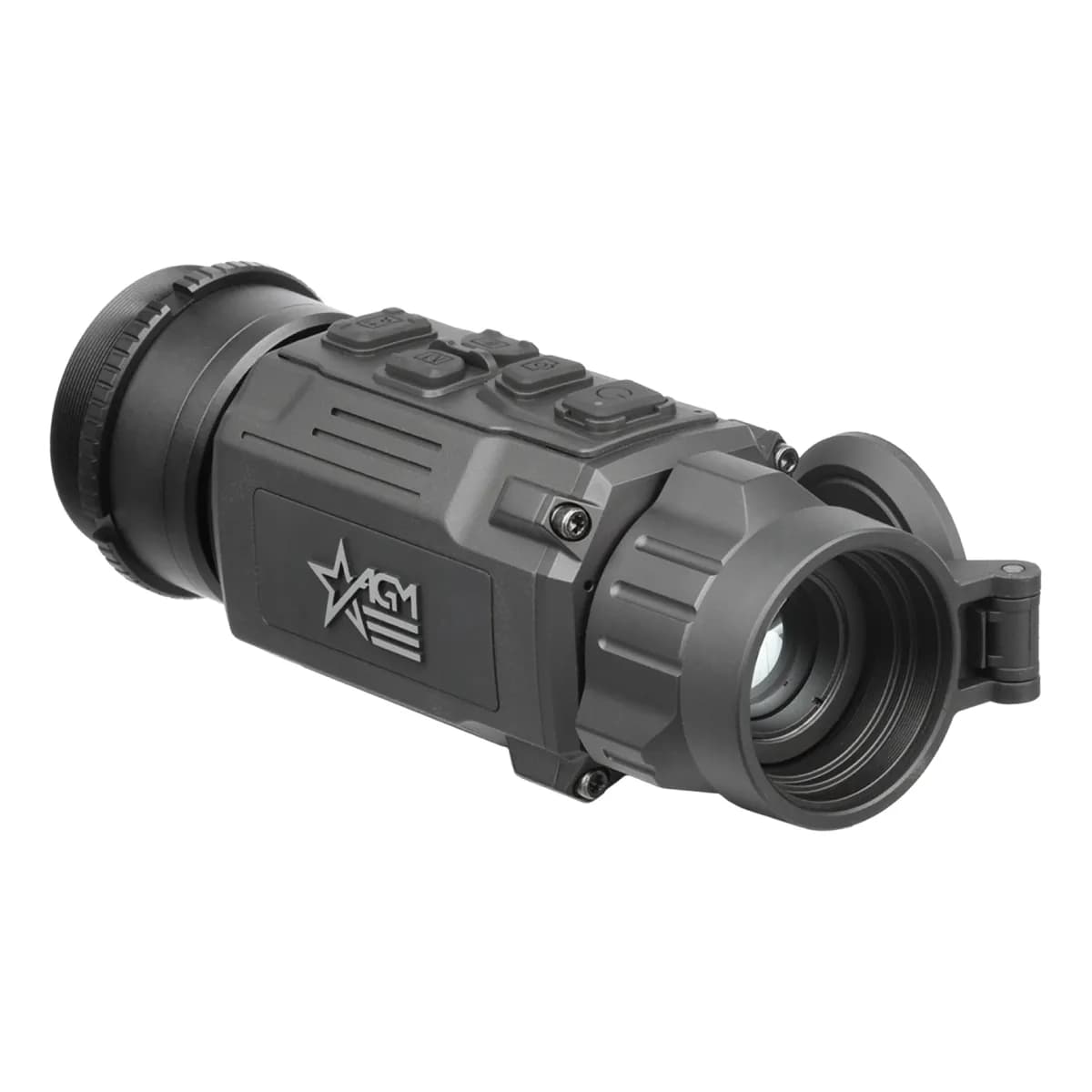
AGM Rattler V2 19-256
- Sensor
- 256×192
- Pitch · Hz
- 12 µm · 50
- Lens
- 19 mm
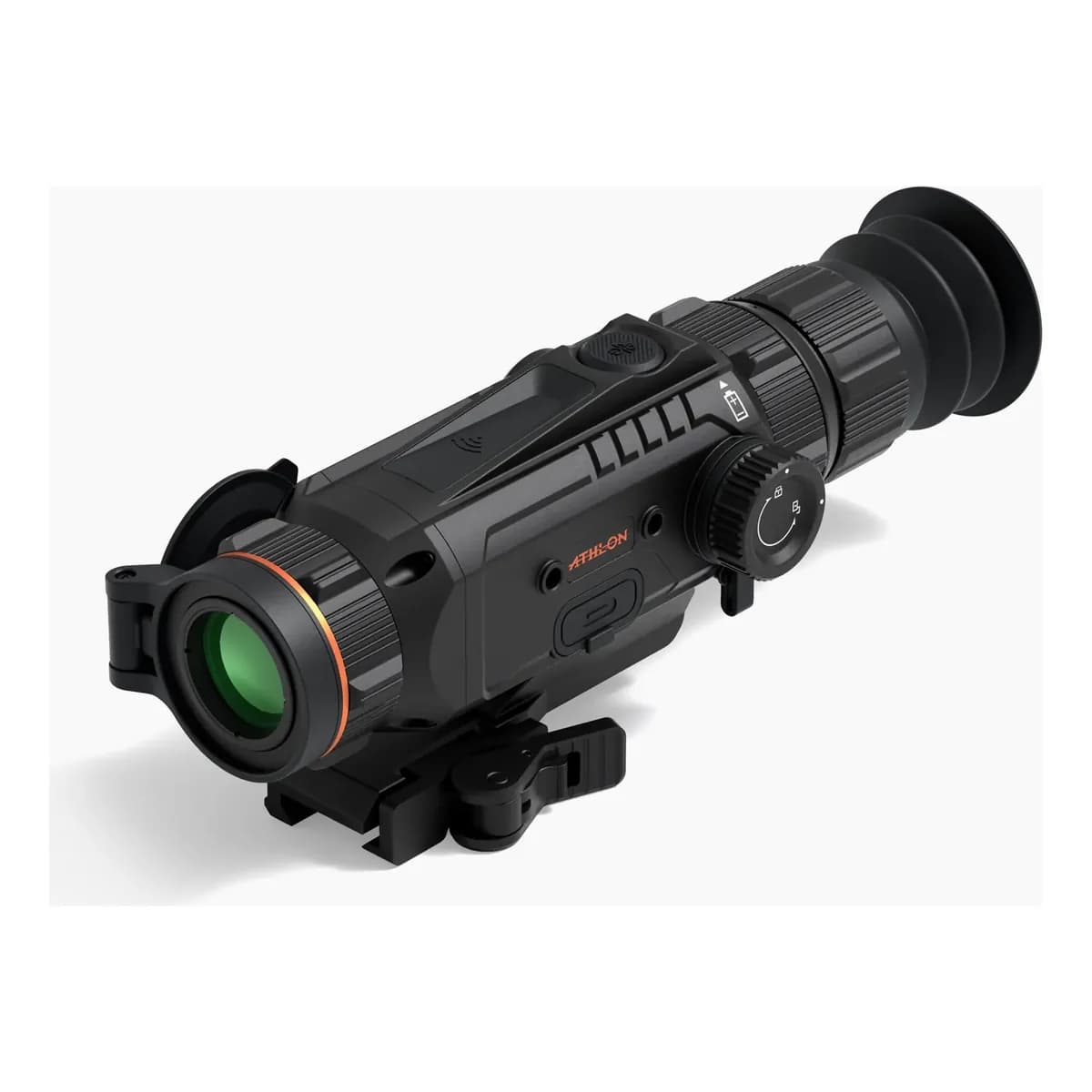
Athlon Cronus ATS Pro 25P-250
- Sensor
- 256×192
- Pitch · Hz
- 12 µm · —
- Lens
- 25 mm
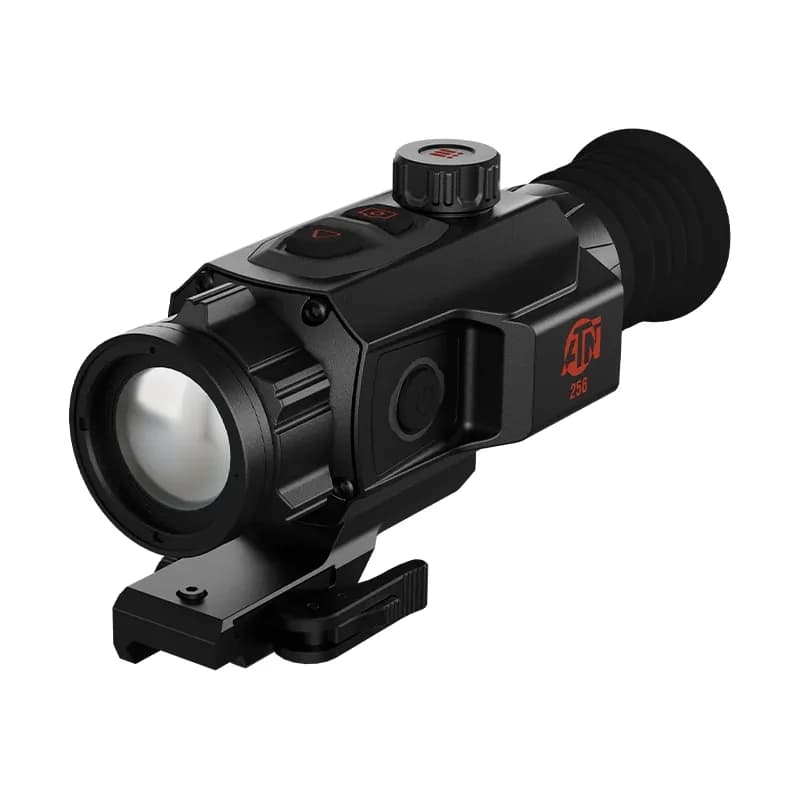
ATN ThOR 6 Mini 256 3.5-28x
- Sensor
- 256×192
- Pitch · Hz
- 12 µm · 50
- Lens
- 25 mm