AGM Global Vision quotes 950 m, 2.4× our figure, because makers usually measure against a person’s full height rather than their width. Why the numbers differ
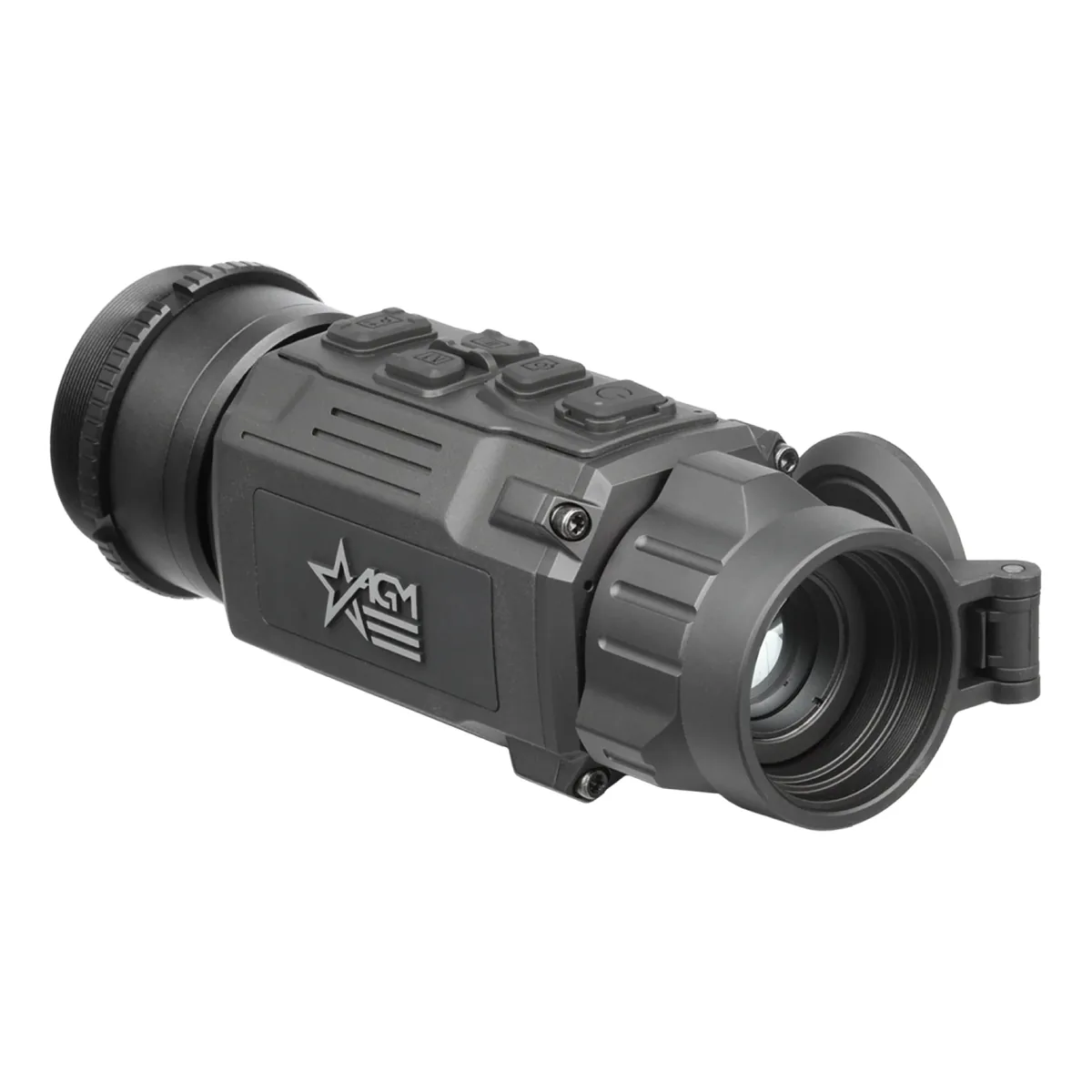
AGM Rattler V2 19-256
- Approx. price
- ~$765
- Sensor
- 256×192 · 12 µm
- Lens
- 19 mm · 2.5×
- Weight
- 16.9 oz
We may earn a commission. Price and availability on Amazon’s site may differ.
A dedicated night rifle for hogs and coyotes inside about 150 yards
01Specifications
As published by AGM Global Vision. Sources: agmglobalvision.com (product page, 2026 catalog), downloads.agmglobalvision.com (datasheet).
- Sensor
- 256×192
- Pixel pitch
- 12 µm
- NETD
- <35 mK
- Refresh rate
- 50 Hz
- Lens
- 19 mm
- Digital zoom
- up to 20×
- Field of view
- 9.3° horizontal
- Display
- 1024x768 OLED
- Claimed detection
- 950 m
- Claim basis
- 6 ft (1.8 m) object
- Run time
- 11.5 h
- Battery type
- Removable pack
- Weight
- 16.9 oz
- Length
- 8.6″
- Records video
- Yes
- Wi-Fi
- Yes
- IP rating
- IP67
- Warranty
- 5 years
- Approx. price
- ~$765
02Pros and cons
From the published specs. What owners report is in the next section.
- Swappable battery pack, so a spare doubles the run time
- 11.5 h of battery, 18th-longest of 344 here
- Light at 16.9 oz, 18th-lightest of the 194 riflescopes here
- Waterproof (IP67), survives a dunking
- Records video and connects to a phone app
- Warranty: 5 years
- ~$765, well under the ~$3,000 typical for riflescopes here
- Short 19 mm lens: a wide view, but less reach than a 50 mm scope
- No rangefinder, so you judge distance by eye
- Entry-level 256×192 sensor, with less detail than a 640
- Zoom past 2.5× is digital and gets blurry
03What owners say
owner discussions, 2024–2026Summarised from 14 public owner discussions between 2024 and 2026. Owner experience, not a measurement.
The Rattler V2 19-256 is what people buy off the shelf at Cabela's to find out whether they like thermal, usually for $750 to $850 new, and it shows up on a lot of short 300 Blackout builds and barn .22s. Owners who keep it inside 100 to 150 yards are content: it has put pigs, coyotes, a bobcat and a lot of possums on the ground, and one owner says the cheap .22 it sits on became his favorite rodent gun. The wide field of view at its low base magnification is something owners only appreciate after they move to a narrower scope.
The trouble is that almost everyone outgrows it. Owners describe digital zoom as close to useless past base magnification, zeroing as a fight because the target dissolves into pixels even at 50 yards, and a pair of coyotes at 150 yards as too much to make out. Several owners in these discussions moved up to a 384 within a year and say it roughly doubled what they could identify. Used ones sell for about $550 to $600.
- Owners shooting hogs, coyotes and small game inside 100 to 150 yards say it does the job; one paid $800 and says it works well under 200 yards on pigs.
- Light and simple enough that owners put it on .22s, short 300 Blackout rifles and pest guns; one calls his RS22 with this scope his go-to for rodents around the barn.
- The included ADM-style mount sits at a sensible height and holds zero, and one owner runs it alone in daylight by switching to black hot.
- Owners who later moved to a narrower 3x or 3.5x scope say they missed the Rattler's wider field of view for scanning.
- The 256 sensor runs out quickly: owners say digital zoom pixelates so much it is close to useless above base magnification, and one could not make out two coyotes at 150 yards.
- Zeroing is frustrating because the target is grainy even at 50 yards, and one owner found that moving the reticle by the displayed inches overshot. Owners get there with a hand warmer or aluminum HVAC tape at 25 yards and the freeze-frame method.
- Settings are buried in menus; owners struggle to find the reticle, which is off by default until a shooting profile is chosen, and one sold his because he wanted tactile buttons instead.
- Isolated reliability reports: one unit kept switching itself back on and draining the battery, another went to a black screen while still powering up, and one buyer returned his immediately for poor performance.
- It is a dedicated scope, not a clip-on, which catches out buyers who expected to run it in front of an LPVO or ACOG.
How do owners zero it?
At 25 to 50 yards with a hot target, usually aluminum HVAC tape on cardboard, a hand warmer, or heated spent cases. Fire, press freeze frame, then move the reticle from the aim point to the impact and save. Owners say not to zoom in much while doing it, and to set the zeroing distance correctly because the inch readout depends on it.
Rattler V2 19-256 or Rattler-C 19-256?
The plain V2 is a dedicated scope and will not work in front of a day optic. Owners who want one rifle for day and night take the clip-on, while those building a dedicated night gun mostly say a dedicated scope gives more for the money at this resolution.
Will I outgrow it?
Most owners say yes if you shoot past about 150 yards. Several moved to a 384 within a year and say it roughly doubled their confident identification range; one who went to a RIX S3 called the difference in clarity immediate. For small game inside 100 yards, owners who stayed with it are happy.
04Compare the 19-256
05Related units
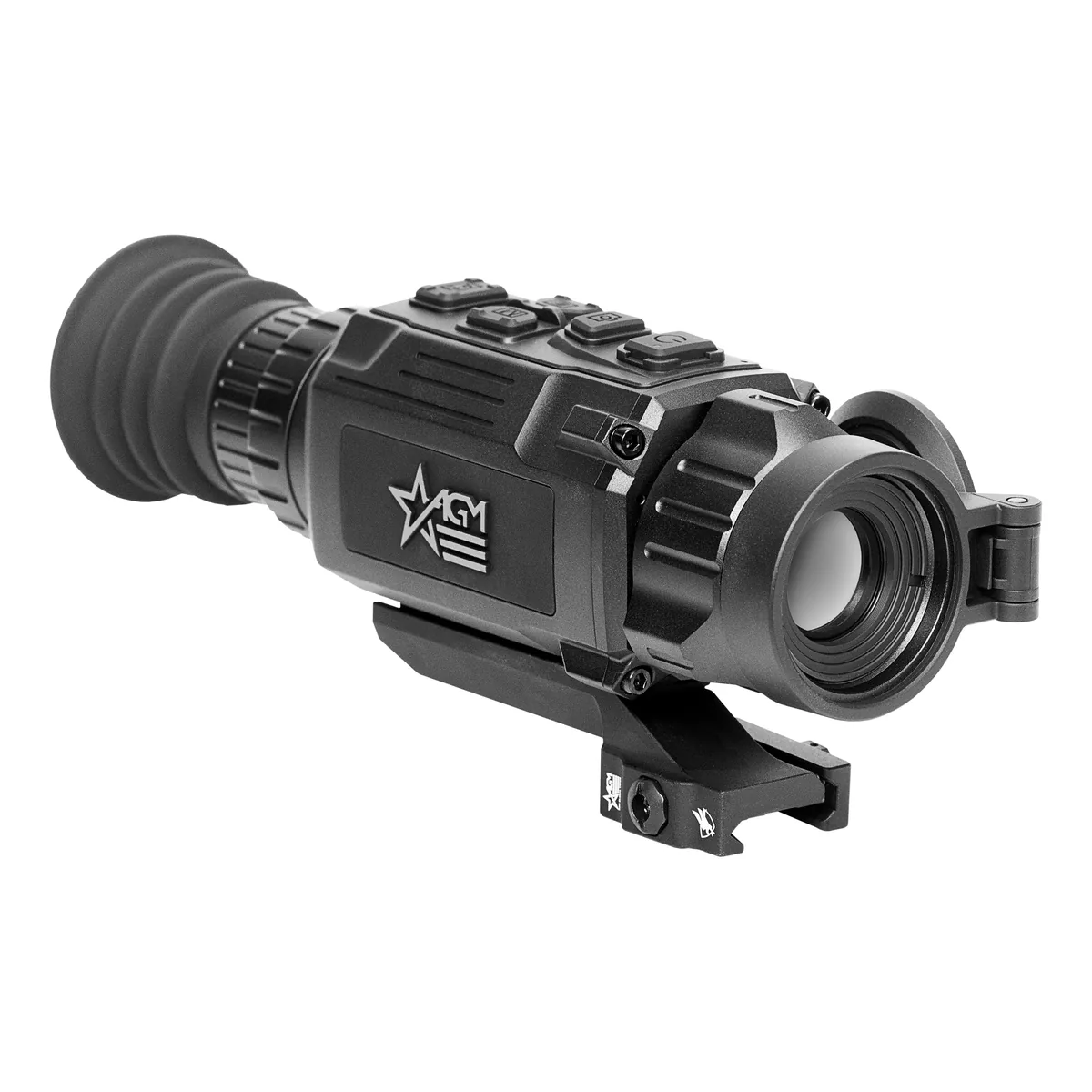
AGM Rattler V2 25-256
- Sensor
- 256×192
- Pitch · Hz
- 12 µm · 50
- Lens
- 25 mm
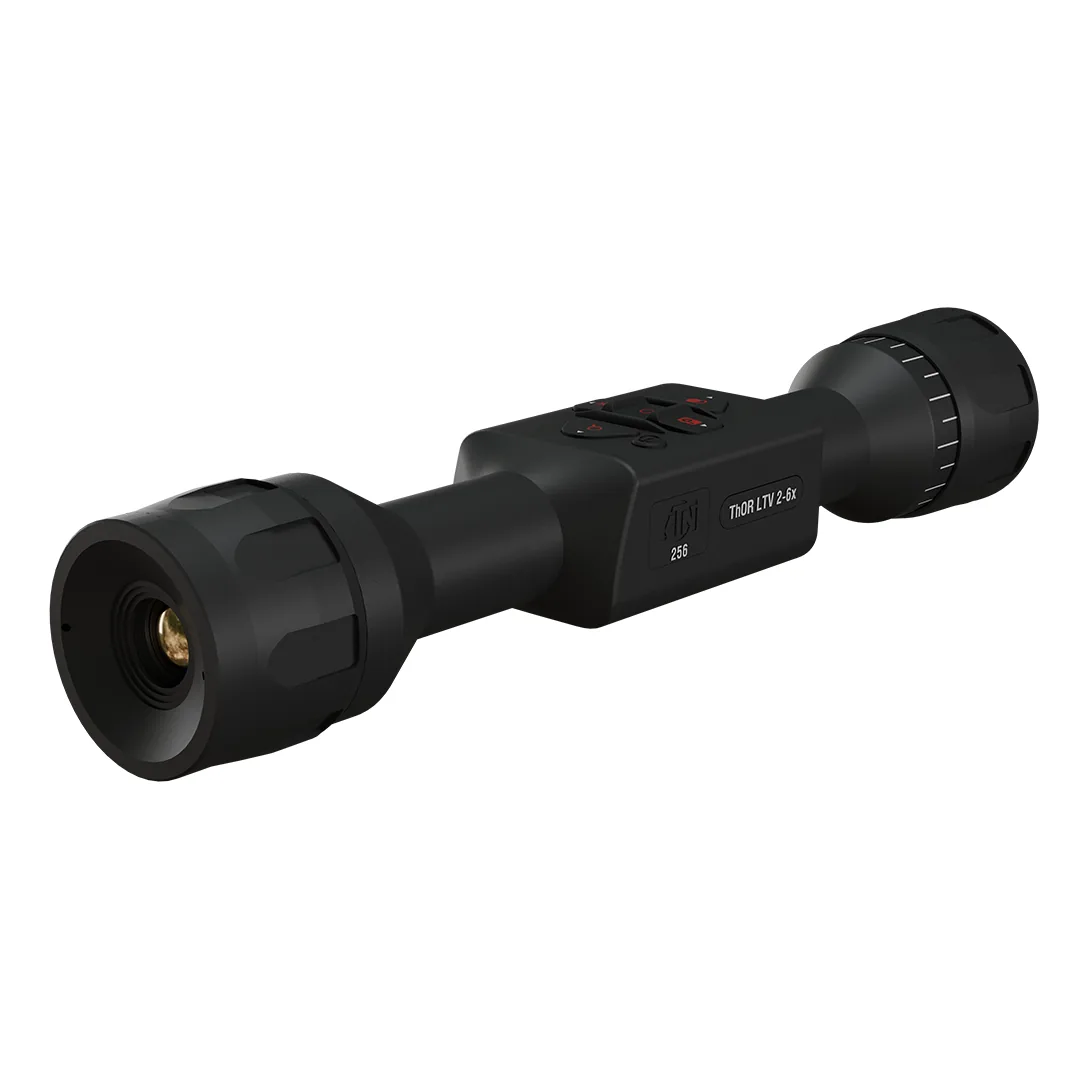
ATN ThOR LTV 256 2-6x
- Sensor
- 256×192
- Pitch · Hz
- 12 µm · 60
- Lens
- 19 mm
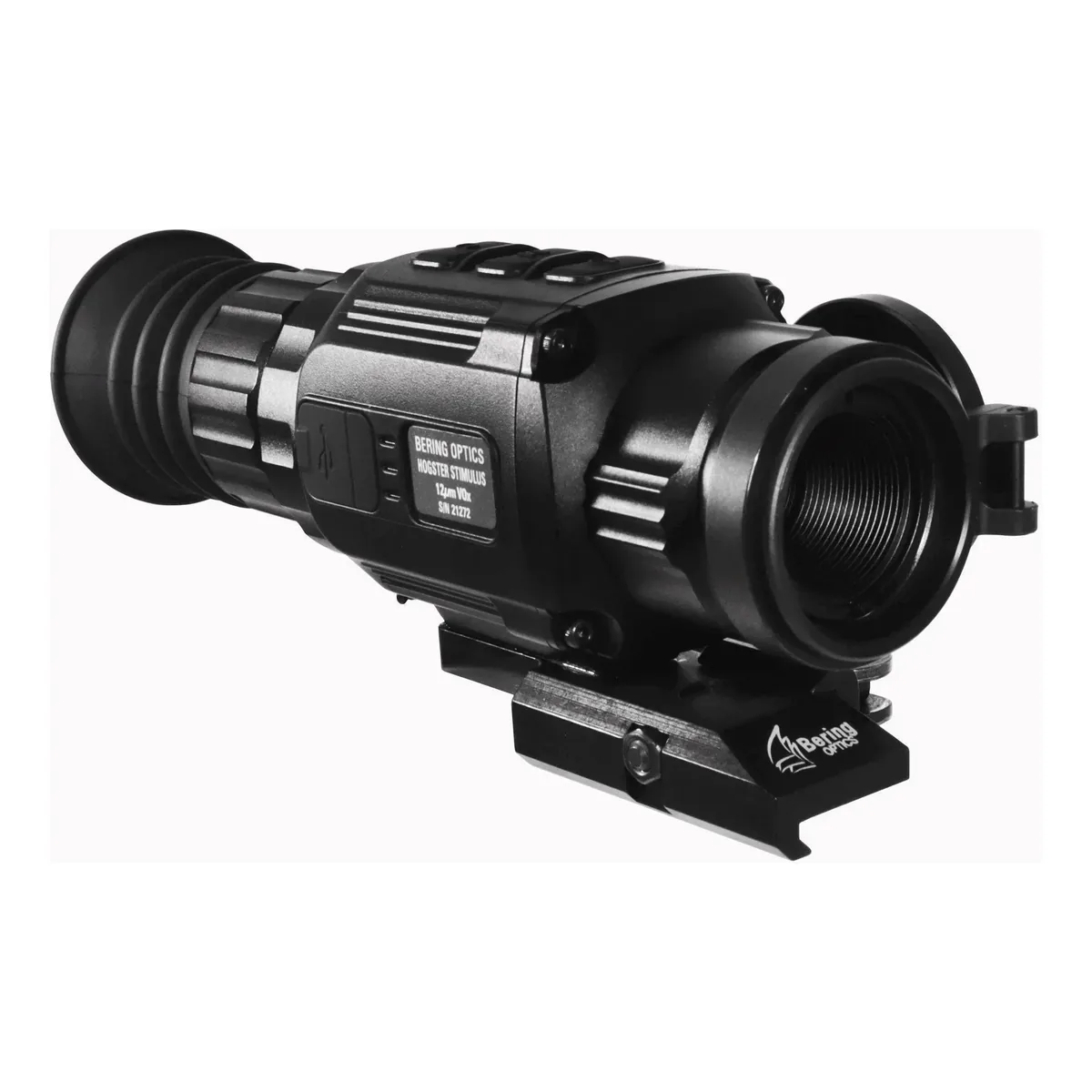
Bering Optics Hogster Stimulus
- Sensor
- 256×192
- Pitch · Hz
- 12 µm · 30
- Lens
- 19 mm