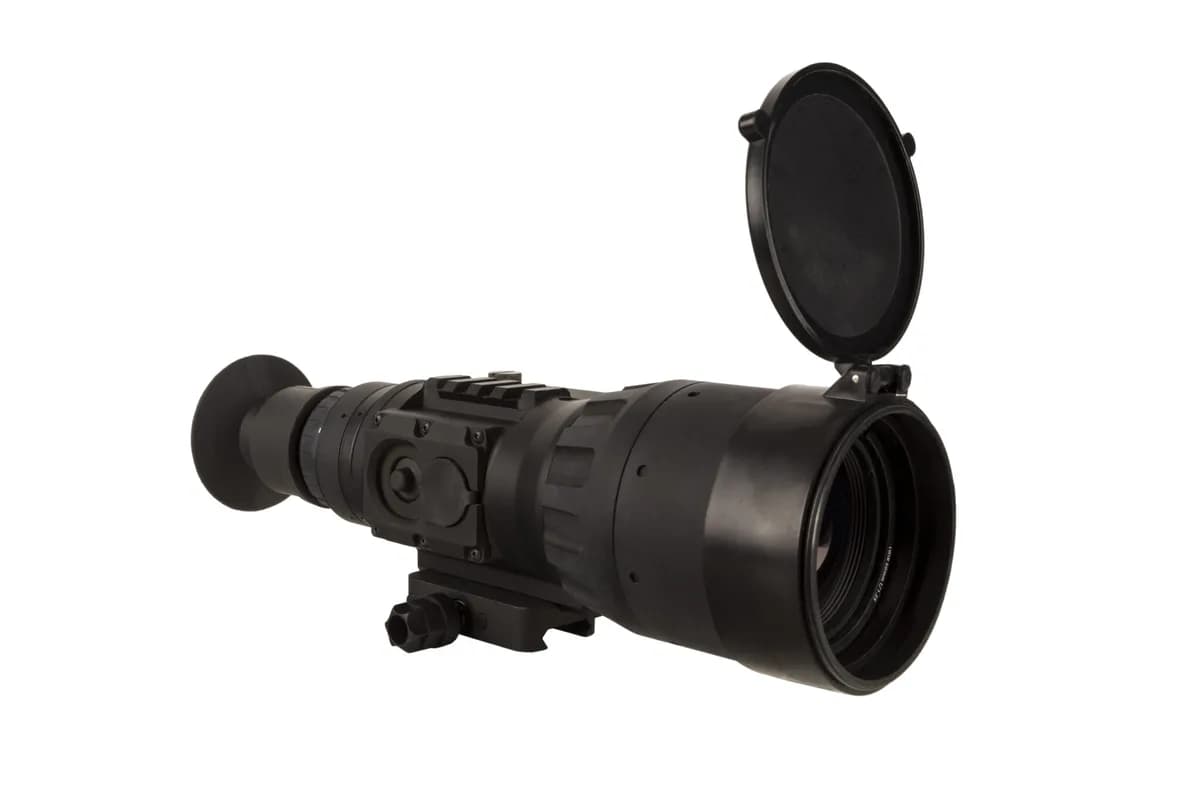
Trijicon REAP-IR 60mm
- Approx. price
- ~$9,784
- Sensor
- 640×480 · 12 µm
- Lens
- 60 mm · 3×
- Weight
- 39 oz
Price and availability on Trijicon’s site may differ.
A dedicated night rifle for hogs and coyotes on open ground
01Specifications
As published by Trijicon. Sources: trijicon.com (SKU REAP-60-4), trijicon.com warranty page.
- Sensor
- 640×480
- Pixel pitch
- 12 µm
- Refresh rate
- 60 Hz
- Lens
- 60 mm
- Digital zoom
- up to 8×
- Run time
- 4 h
- Battery type
- CR123
- Weight
- 39 oz
- Length
- 8.5″
- Records video
- Yes
- Wi-Fi
- No
- IP rating
- submersible to 1 m
- Warranty
- 3 years (electronics; lifetime optics/housing)
- Country of origin
- USA
- Approx. price
- ~$9,784
02Pros and cons
From the published specs. What owners report is in the next section.
- 640×480 sensor, 2.8× the detail of an entry-level 384
- Smooth 60 Hz picture on a running animal
- Takes CR123 batteries you can swap in the field
- Sensitivity (NETD) not published
- Only 4 h of battery
- Heavy at 39 oz, 28th-heaviest of the 194 riflescopes here
- No rangefinder, so you judge distance by eye
- ~$9,784, well above the ~$3,000 typical for riflescopes here
03What owners say
owner discussions, 2023–2025Summarised from 9 public owner discussions between 2023 and 2025. Owner experience, not a measurement; owners rarely distinguish the REAP-IR variants, so this covers the family.
Owners talk about the REAP-IR as one family, and most of them own older Type 2 and Type 3 units, often bought used, rather than the current MK2 in 35 or 60 mm. They agree on two things. The build is exceptional: one owner of three says no other optic matches it for durability. The sensor, though, is a generation behind. One long-time owner put his roughly five-year-old REAP 35, which sold for about $8,000 in 2021, beside a $2,700 Nocpix ACE L35, and the cheap scope won clearly; he says he would no longer recommend Trijicon unless a friend offers one cheaply. Owners put the gap down to a sensor rated under 50 mK against under 18 mK in current Chinese units.
The defenders make a value case. Used Type 2 units listed at about $4,500 to $5,400 in 2024, a 24 mm Gen 3 was being offered near $4,000, and a buyer in 2025 was asking whether a MK2 35 at $3,700 still made sense. People who keep theirs like that it is made in America, rugged enough to be passed around for years, and say a firmware update makes a big difference on Type 2 units. Most of the complaints come from the older units.
- The build quality is what owners keep coming back to: an owner of both a REAP and an RH25 says nothing else matches its durability, and a hunter who has used his for about five years reports no problems at all.
- Used prices make it tempting: owners who do not need to record say the Trijicon used market has good deals as people chase newer Chinese scopes.
- Type 2 owners say a firmware update noticeably improves the picture, and the Gen 4 adds onboard video recording with the same internals.
- It works in front of a magnified scope; owners run it ahead of 1-6 and 1-10 LPVOs, and one hog hunter also bridges it with a PVS-14.
- Owners say the sensor is a generation behind: side by side with a Nocpix ACE L35 at about a third of the original price, the old REAP 35 loses clearly, and an IR Hunter 60 owner calls his Nocpix S75R 'an unreal difference.'
- On one owner's Type 2, the reticle took on the colour of the target, so it vanished black on black and white on white. Trijicon fixed it out of warranty at his cost, then told him it was normal; turning the reticle off and on and NUCing on the target helps only sometimes.
- The display is bright enough to burn your eye on a dark night, and turning it down loses detail; one owner went looking for Trijicon's amber filter for that reason.
- Mounting is awkward: owners need risers or Picatinny extenders to get it high and far enough back, and older units with a male dovetail on top have no easy way to mount a red dot.
- No live feed to an external monitor, which a new Gen 4 owner asked about.
- Repair and parts are the owner's problem once warranty ends: one buyer of two units had one arrive needing a fix, and another went looking for a power board for a Gen 1.
Is a REAP-IR still worth buying in 2025?
Owners are divided along predictable lines. People who have had both say a $2,000 to $3,000 Chinese scope now has a clearly better image, and one long-time REAP owner no longer recommends them unless the deal is very cheap. Owners who keep theirs value the build, the US manufacture and used prices well below the original $8,000, and say the gap is smaller on a firmware-updated Type 2.
Will an IR laser show up through it?
No. Owners point out that a thermal does not see IR illuminators or lasers such as a DBAL, so plan to aim with the scope's own reticle.
What do used ones go for?
Listings owners posted in 2024 asked about $4,500 for a lightly used Type 2 and $5,400 for an unused one, and a low-use 24 mm Gen 3 seller was aiming for $4,000. A MK2 35 at $3,700 in 2025 prompted the question of whether a newer 640 is the better buy.
04Compare the 60mm
05Related units
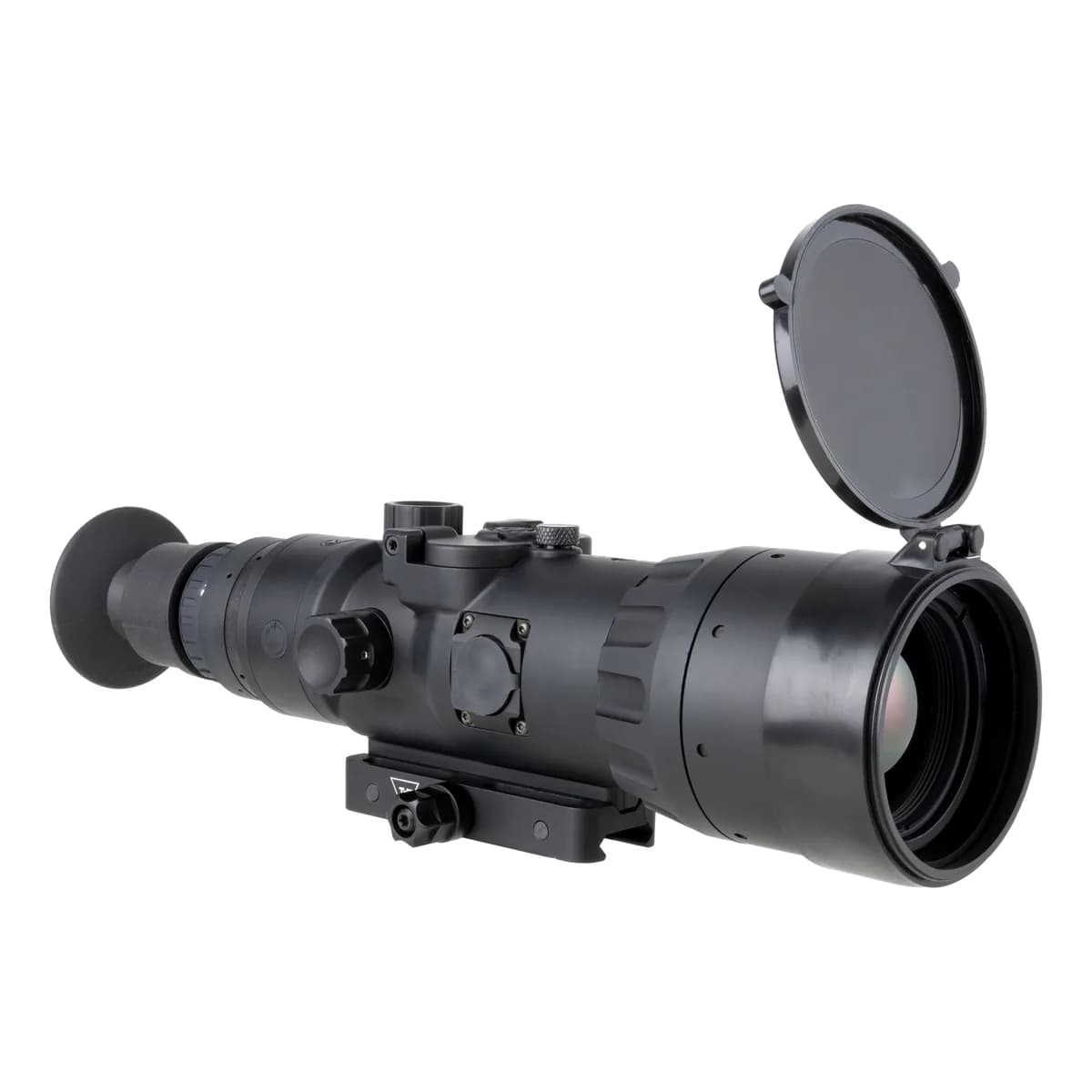
Trijicon IR-HUNTER 60mm
- Sensor
- 640×480
- Pitch · Hz
- 12 µm · 60
- Lens
- 60 mm
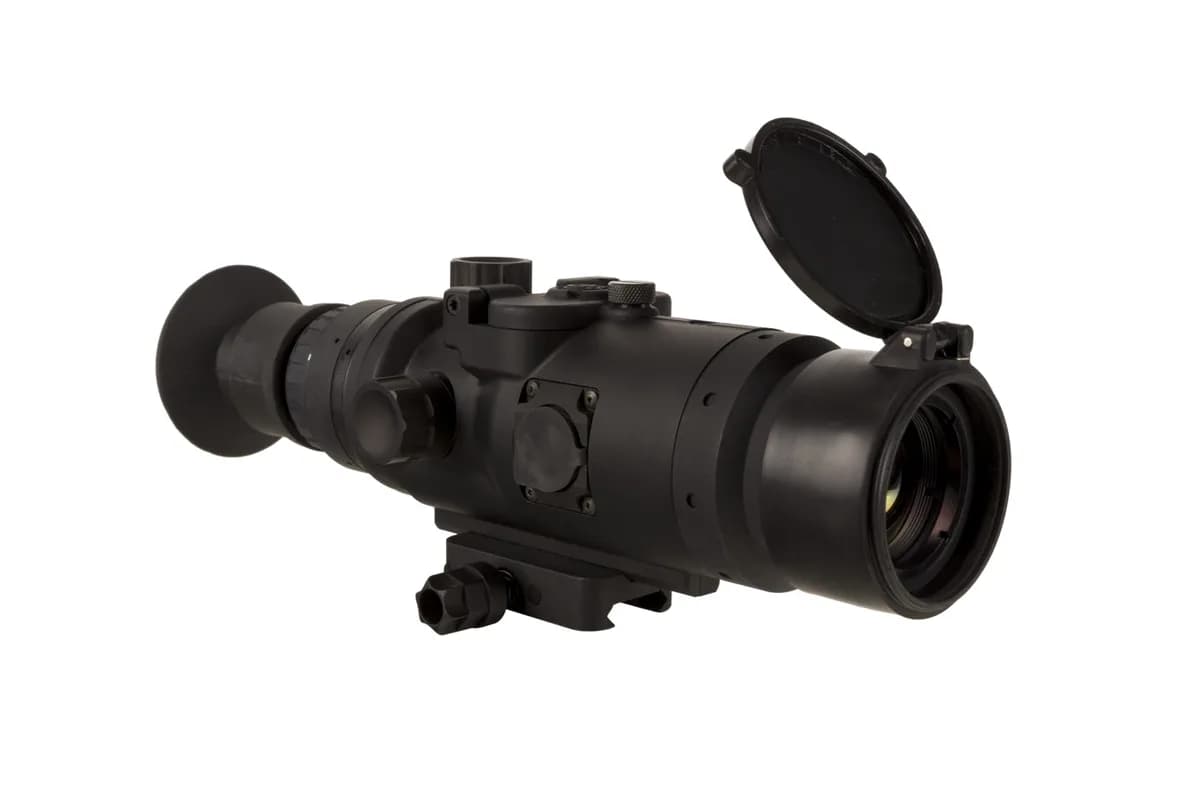
Trijicon IR-HUNTER 35mm
- Sensor
- 640×480
- Pitch · Hz
- 12 µm · 60
- Lens
- 35 mm
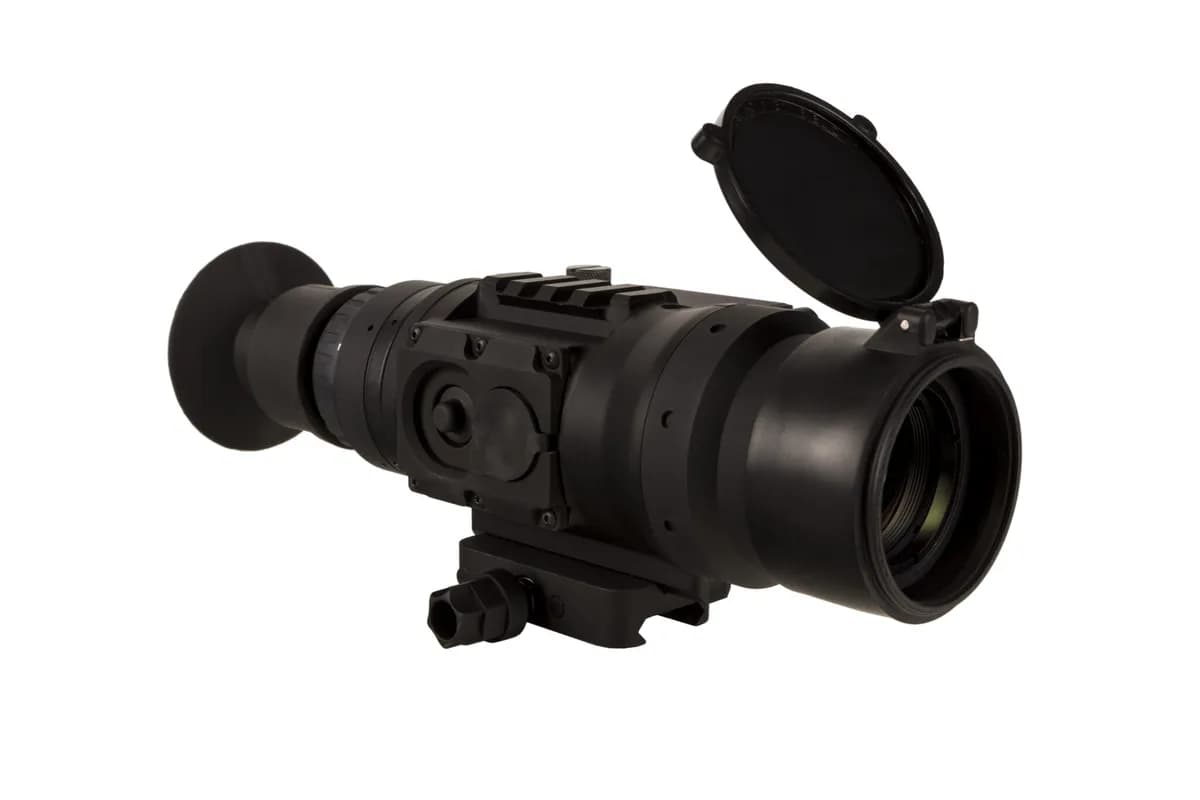
Trijicon REAP-IR 35mm
- Sensor
- 640×480
- Pitch · Hz
- 12 µm · 60
- Lens
- 35 mm