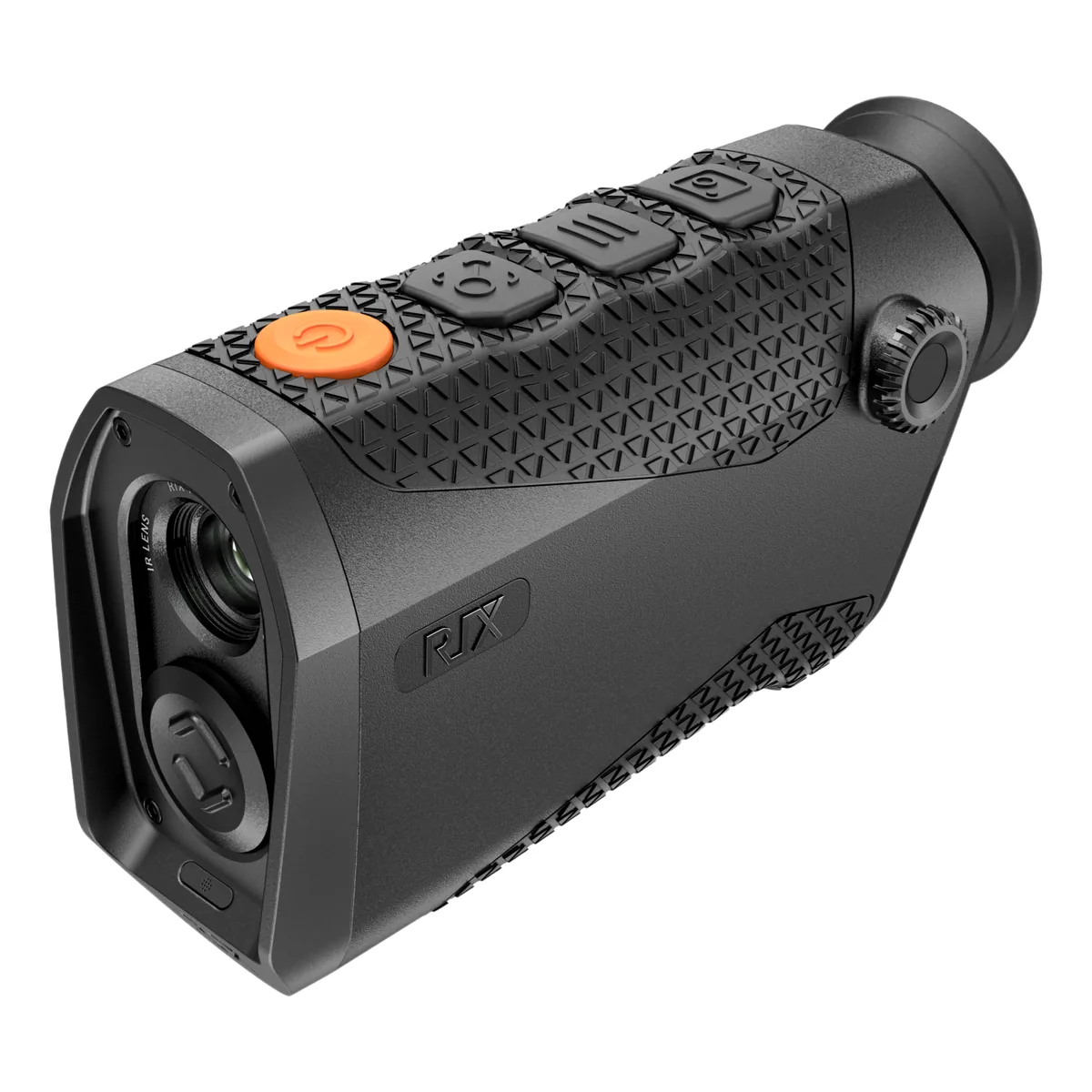
RIX quotes 780 m, 2.5× our figure, because makers usually measure against a person’s full height rather than their width. Why the numbers differ
RIX Pocket K3
- Approx. price
- ~$799
- Sensor
- 384×288 · 12 µm
- Lens
- 15 mm · 2×
- Weight
- 7.5 oz
Price and availability on RIX’s site may differ.
Walk-and-scan glassing from a jacket pocket
01Specifications
As published by RIX. Sources: rixoptics.com (product page spec table + store API price, stock).
- Sensor
- 384×288
- Pixel pitch
- 12 µm
- NETD
- <25 mK
- Refresh rate
- 50 Hz
- Lens
- 15 mm
- Digital zoom
- up to 8×
- Field of view
- 17.5° horizontal
- Display
- 800x600 OLED
- Claimed detection
- 780 m
- Claim basis
- unspecified
- Run time
- 6 h
- Battery type
- 18650
- Weight
- 7.5 oz
- Length
- 4.9″
- Records video
- Yes
- Wi-Fi
- Yes
- IP rating
- IP67
- Warranty
- 5 years
- Approx. price
- ~$799
02Pros and cons
From the published specs. What owners report is in the next section.
- Takes 18650 batteries you can swap in the field
- Light at 7.5 oz, 7th-lightest of the 112 handhelds here
- Waterproof (IP67), survives a dunking
- Records video and connects to a phone app
- Warranty: 5 years
- Wide 17° view for scanning a field
- ~$799, well under the ~$1,995 typical for handhelds here
- No rangefinder, so you judge distance by eye
- Entry-level 384×288 sensor, with less detail than a 640
- Zoom past 2× is digital and gets blurry
03What owners say
owner discussions, 2024–2026Summarised from 11 public owner discussions between 2024 and 2026. Owner experience, not a measurement.
The Pocket K3 is the scanner owners keep in a chest pouch so they do not have to swing a rifle on a tripod every time they want to look across a field. That is almost the whole story in these discussions: coyote callers, hog hunters stalking on foot, people building a night kit around a PVS-14, and one naturalist who uses it to find owls before sunrise. Owners like it because it is small enough to actually carry, and one who also owns a much more capable iRay Finder says he reaches for the K3 far more often for exactly that reason.
The usual alternatives are the AGM Taipan V2 and the NocPix Lumi L19, and the honest split is that the K3 wins on size and price (around $800 in the US) while the others give a bigger eyepiece or a choice of lens. Owners say it identifies an animal to about 200 yards and detects much farther, which is enough when the rifle scope does the identifying. Those who regret anything regret not paying for more resolution.
- Small enough that owners actually carry it; one who also has an iRay Finder says the Finder is far better on paper but too cumbersome, so the K3 is what he uses.
- Owners report identifying animals out to about 200 yards and detecting heat well beyond that, which covers the job of telling you when to get behind the rifle scope.
- Can be set to 1x even though it is sold as a 2x unit, which owners scanning close cover appreciate.
- The fixed focus has not bothered owners in practice, and one likes the sliding lens cover better than the caps on competing handhelds.
- Runs on the same platform and 18650 batteries as the RIX Storm scopes, so S3 owners find the menus familiar.
- Helmet mounts exist, so a few owners run it beside a PVS-14 as well as handheld.
- No way to mount it on a rifle, which pushes some buyers toward a cheap Rattler or a DNT Hydra that can do both.
- Owners who hunt big open country wish they had bought more resolution; one who regularly spots coyotes around 1,000 yards says the K3 cannot tell him much at that distance.
- The eyepiece is small; an owner who has had both prefers the NocPix Lumi L19 for its larger viewfinder, especially on a helmet.
- Reliability reports are mixed: one new unit shut off after ten minutes and then would not power on at all, and another owner sees a faint vertical line on the left of the screen now and then.
RIX K3 or AGM Taipan V2?
Owners who bought the K3 say it makes no sense to pay about $500 more for the same sensor in a larger body if all you do is scan. People who have looked through a Taipan V2 were impressed and would take it if price were no object, and its 19 mm and 25 mm lens options are the main argument for it.
How far can you see with it?
Owners put identification at roughly 200 yards and detection much farther; one spotted a deer bedded in chest-high grass at 150 yards. It tells you something warm is out there, and most owners then confirm through the rifle scope.
Is it worth it outside hunting?
One owner uses it for birding before dawn and found a great horned owl behind a pine trunk at about 125 yards that he would not otherwise have seen. Others want it for spotting animals on night hikes, where the light weight matters more than reach.
04Compare the K3
05Related units
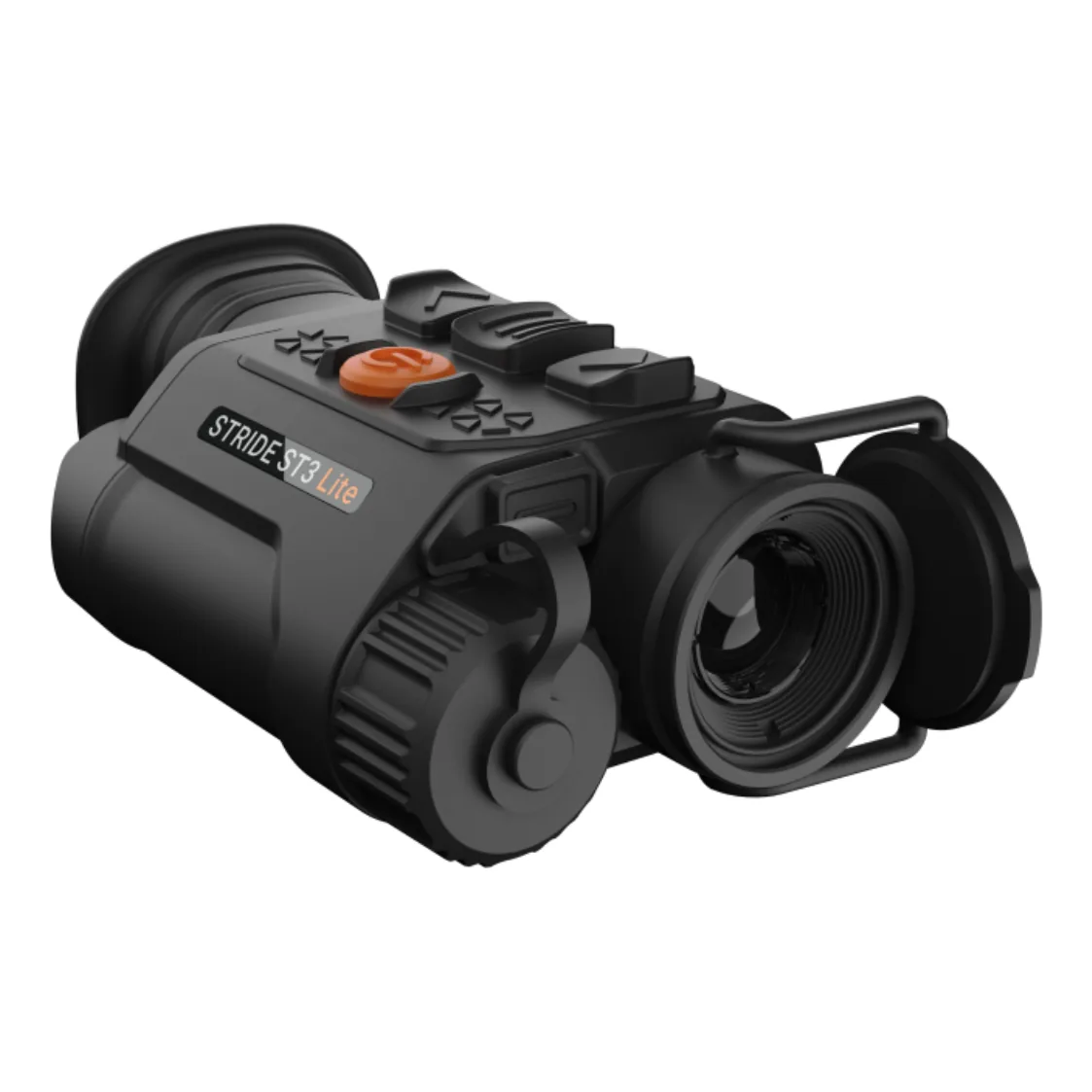
RIX Stride ST3 Lite
- Sensor
- 384×288
- Pitch · Hz
- 12 µm · 50
- Lens
- 15 mm
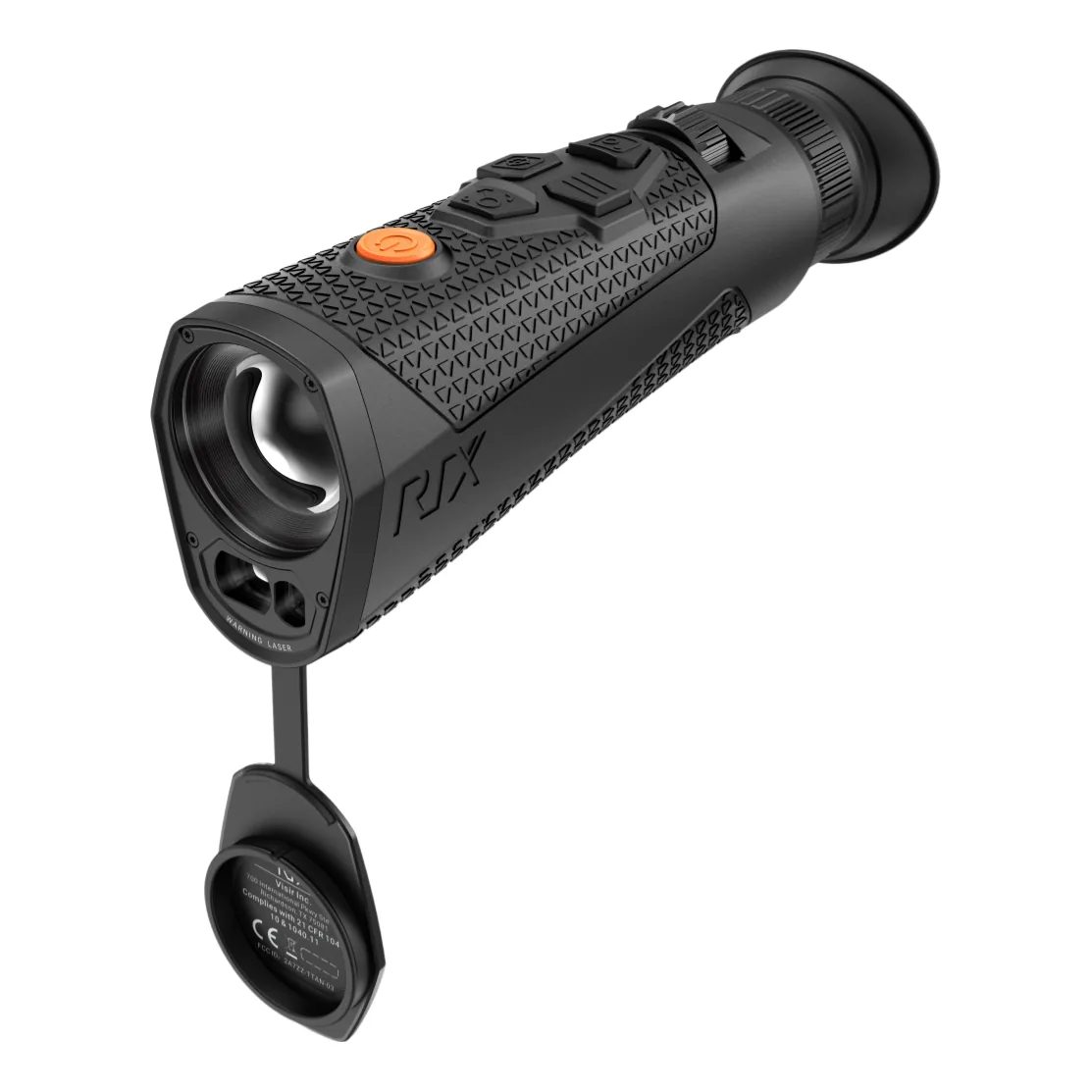
RIX Titan T3
- Sensor
- 384×288
- Pitch · Hz
- 12 µm · 50
- Lens
- 25 mm
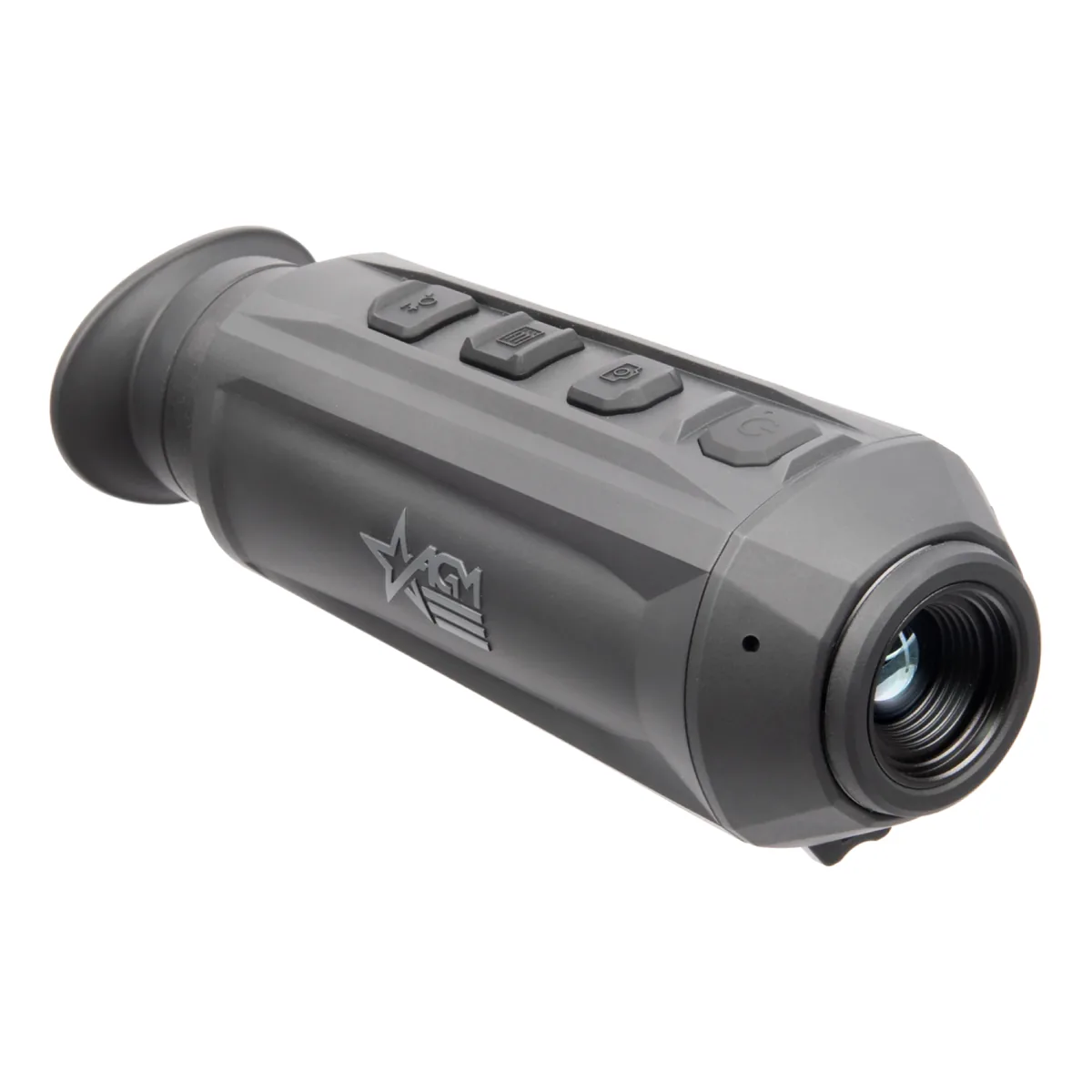
AGM Taipan V2 15-384
- Sensor
- 384×288
- Pitch · Hz
- 12 µm · 50
- Lens
- 15 mm