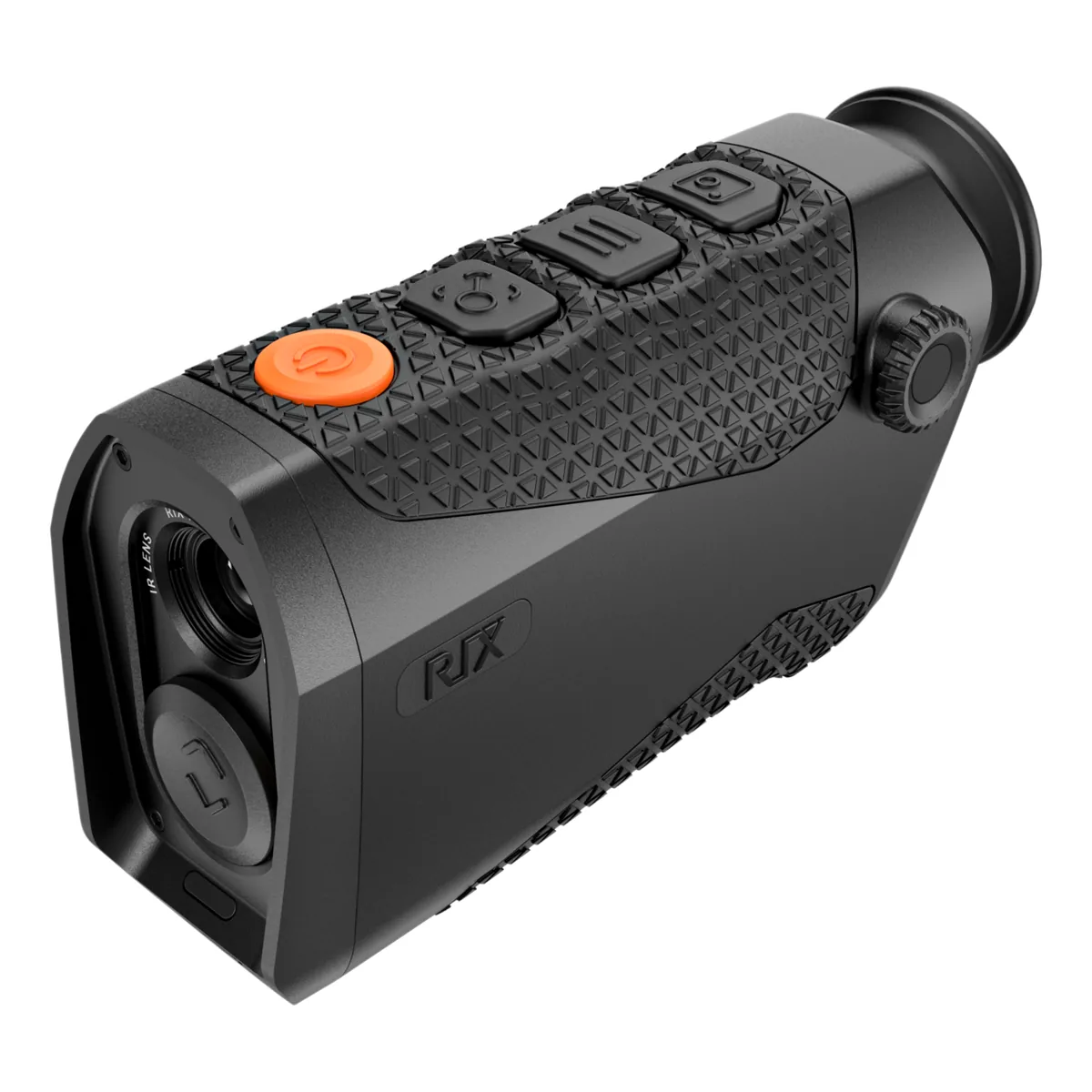
RIX quotes 470 m, 2.5× our figure, because makers usually measure against a person’s full height rather than their width. Why the numbers differ
RIX Pocket K2
- Approx. price
- ~$399
- Sensor
- 256×192 · 12 µm
- Lens
- 9 mm · 1.7×
- Weight
- 7 oz
Price and availability on RIX’s site may differ.
Walk-and-scan glassing from a jacket pocket
01Specifications
As published by RIX. Sources: rixoptics.com (product page spec table + store API price, stock).
- Sensor
- 256×192
- Pixel pitch
- 12 µm
- NETD
- <25 mK
- Refresh rate
- 50 Hz
- Lens
- 9 mm
- Digital zoom
- up to 6.8×
- Field of view
- 19.4° horizontal
- Display
- 800x600 OLED
- Claimed detection
- 470 m
- Claim basis
- unspecified
- Run time
- 6 h
- Battery type
- 18650
- Weight
- 7 oz
- Length
- 4.9″
- Records video
- Yes
- Wi-Fi
- Yes
- IP rating
- IP67
- Warranty
- 3 years
- Approx. price
- ~$399
02Pros and cons
From the published specs. What owners report is in the next section.
- Takes 18650 batteries you can swap in the field
- Light at 7 oz, 2nd-lightest of the 112 handhelds here
- Waterproof (IP67), survives a dunking
- Records video and connects to a phone app
- Wide 19° view for scanning a field
- ~$399, well under the ~$1,995 typical for handhelds here
- No rangefinder, so you judge distance by eye
- Entry-level 256×192 sensor, with less detail than a 640
- Zoom past 1.7× is digital and gets blurry
03What owners say
owner discussions, 2024–2026Summarised from 12 public owner discussions between 2024 and 2026. Owner experience, not a measurement.
The Pocket K2 is the cheap scanner: around $400 on sale, and for a while thrown in free with RIX Storm S6 scopes, which is how a lot of owners came to have one. Owners use it to sweep a field for heat before switching to a rifle scope or a digital night-vision sight to identify and shoot. Used that way they are content: one with 200 acres scans his property at night with it, another says 300 yards across a field is about as far as he looks, and a hog hunter pairs it with a Rattler 384 that does the identifying.
The complaints are about the eyepiece rather than the sensor. The screen is small and so bright that one owner blows out his night vision even on the lowest setting, the eyebox is tiny and finicky, the hard eyecup does not come off, and glasses wearers struggle to see the whole display. The most common regret is not spending about $300 more on the K3, and one owner rated the out-of-box image poor until a firmware update improved it.
- Does the one job it is bought for: detecting heat in a field or along a creek line. Owners spot animals at 150 to 300 yards and then identify them with a better scope.
- Price; owners paid about $400 on sale, and many got theirs free with a Storm S6.
- The RIX app and Wi-Fi link are easy to use; one owner turned a spare K2 into a vehicle-mounted pan-and-tilt thermal by streaming it to an old iPad.
- Small enough to live in a pocket, and owners have rigged it on helmets with 3D-printed Wilcox-style adapters to stop holding it to the eye.
- The display is too bright even at its lowest setting, enough that one owner says it wrecks his night vision.
- Tiny, finicky eyebox and a hard eyecup that will not come off; owners who wear glasses say it is almost impossible to see the whole screen.
- Owners who bought it over the K3 often wish they had paid the extra $300 for the higher resolution; one says it works for detection but nothing more.
- The tripod screw sits on the bottom, so no ordinary J-arm puts the eyepiece in front of your eye for helmet use; owners resort to printed adapters.
- One owner thought the image was poor out of the box until a firmware update, and rates it on par with any 256-resolution unit.
K2 or K3?
Owners are close to unanimous: get the K3 if you can find the extra $300. K2 owners say it does the job for spotting heat but they wish they had the extra resolution; one who owns a K3 says he cannot imagine the K2 being as usable.
Is a 256 sensor enough for scanning if I identify with a night-vision scope?
Owners who use it exactly that way say yes. It picks out heat signatures out to 300 yards or so, and identification much past 100 to 150 yards needs the animal to move or a better optic. One owner bought it on that basis to pair with a Rattler 384 for hogs.
Can I tell a person from an animal at a few hundred yards?
An owner who scans 200 acres at night says he can see well past 300 yards but cannot identify what he is looking at that far; others say a 384 or 640 sensor is what you want for that job at 300 to 400 yards.
04Compare the K2
05Related units
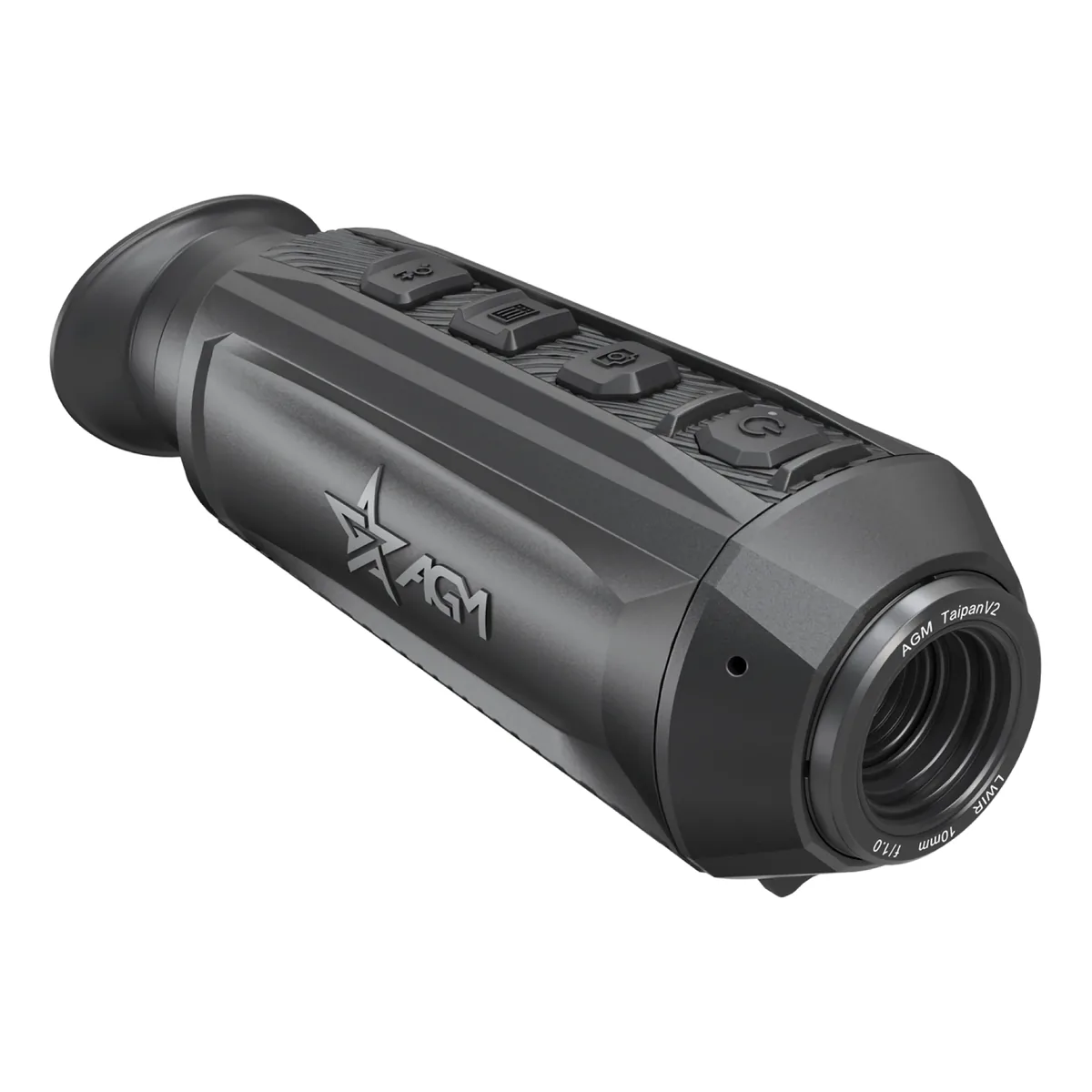
AGM Taipan V2 10-256
- Sensor
- 256×192
- Pitch · Hz
- 12 µm · 50
- Lens
- 10 mm
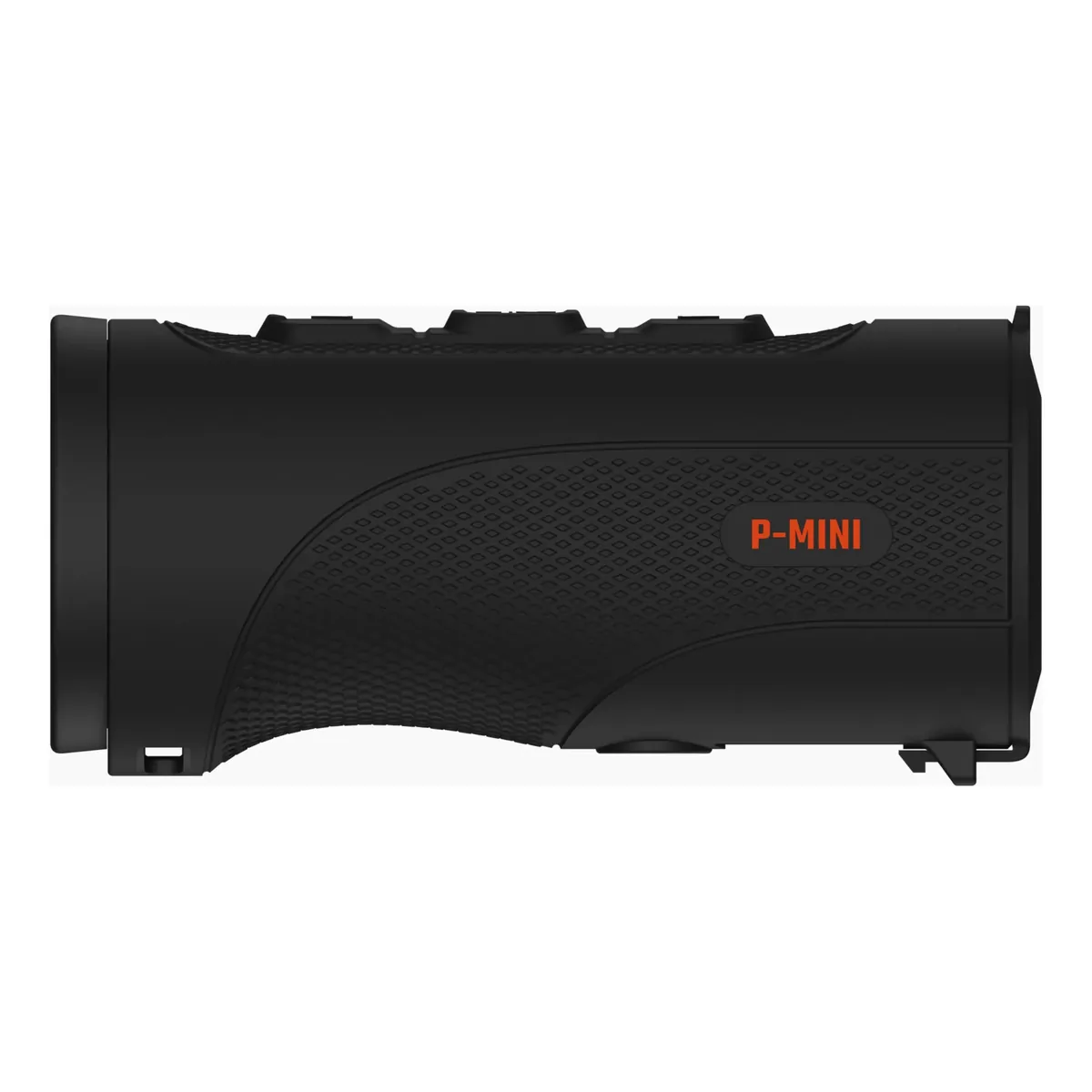
Athlon Cronus ATS P-Mini 250S
- Sensor
- 256×192
- Pitch · Hz
- 12 µm · —
- Lens
- 10 mm
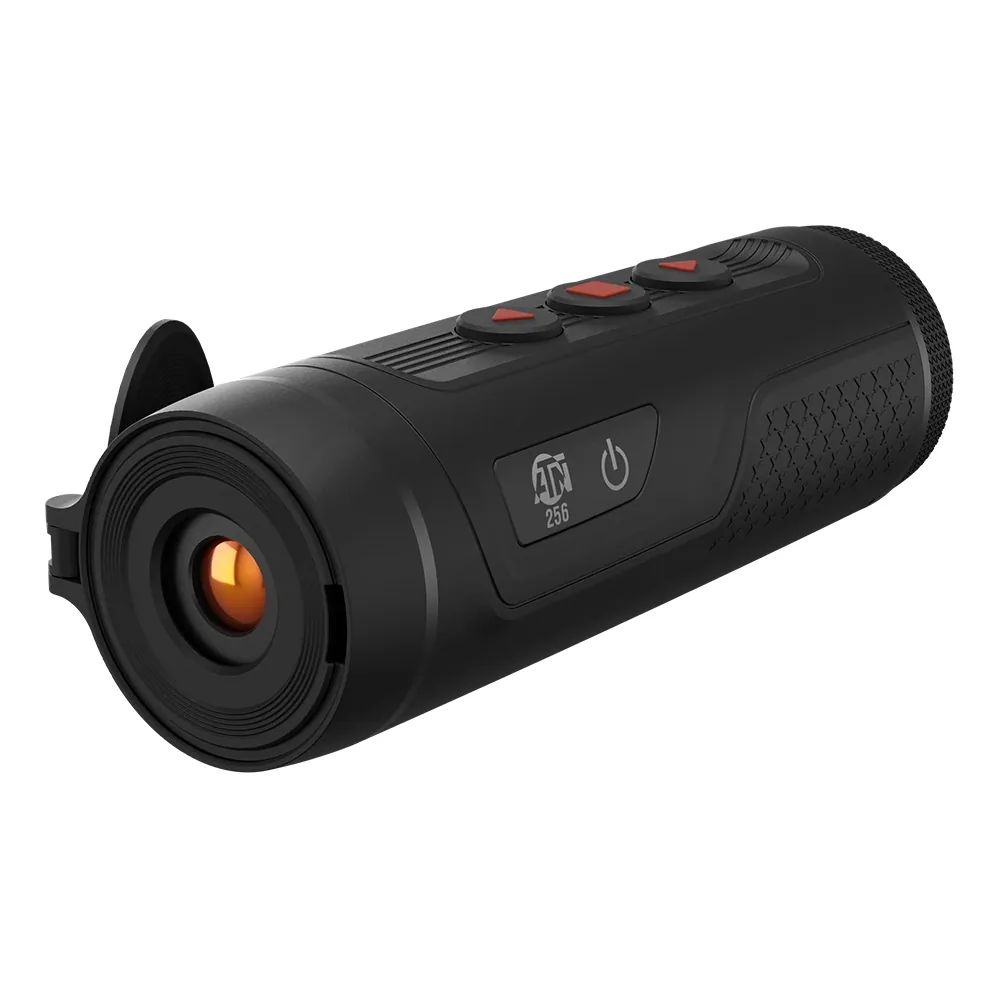
ATN BlazeSeeker 210
- Sensor
- 256×192
- Pitch · Hz
- 12 µm · 50
- Lens
- 10 mm