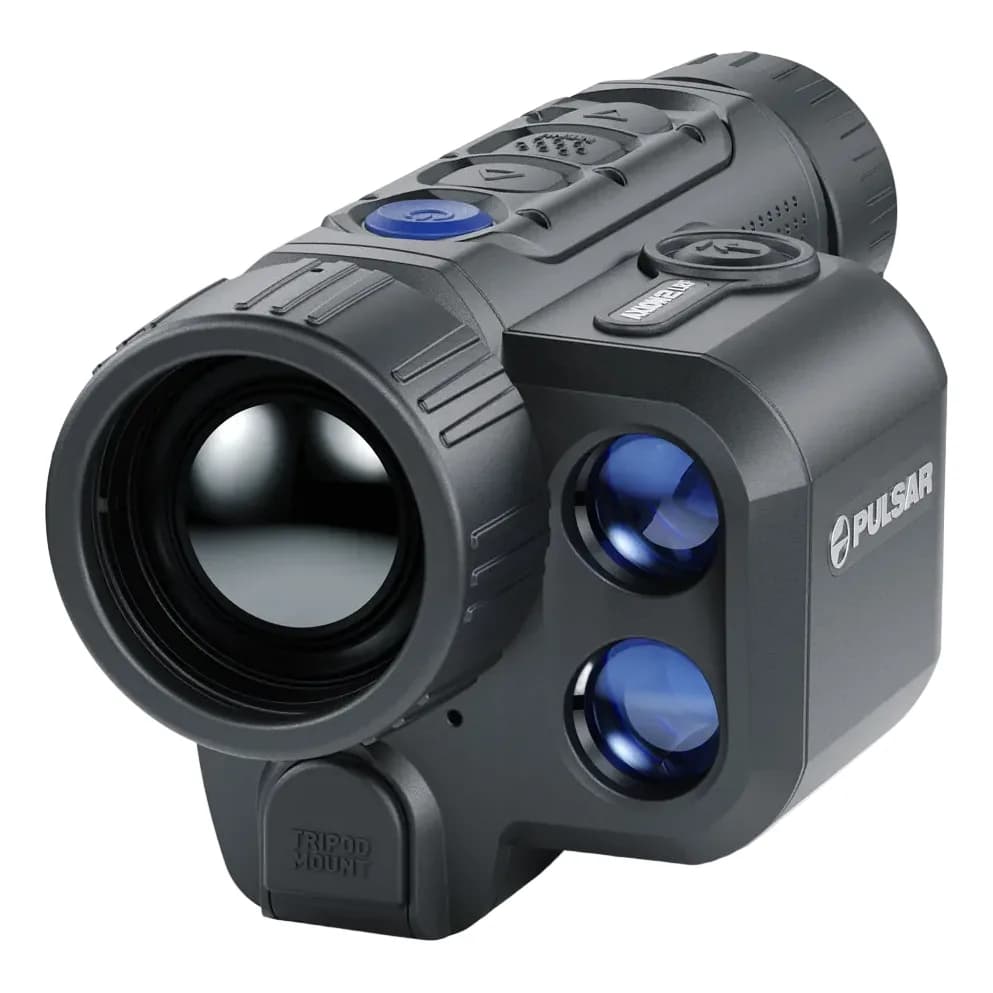
Pulsar quotes 1,750 m, 2.4× our figure, because makers usually measure against a person’s full height rather than their width. Why the numbers differ
Pulsar Axion 2 LRF XG35
- Approx. price
- ~$3,000
- Sensor
- 640×480 · 12 µm
- Lens
- 35 mm · 2.5×
- Weight
- 16.6 oz
Price and availability on Pulsar’s site may differ.
Scanning from a stand, a truck or a field edge
01Specifications
As published by Pulsar. Sources: pulsarnv.com, academy.com.
- Sensor
- 640×480
- Pixel pitch
- 12 µm
- NETD
- <40 mK
- Refresh rate
- 50 Hz
- Lens
- 35 mm
- Digital zoom
- up to 8×
- Field of view
- 12.5° horizontal
- Display
- 1024x768 AMOLED
- Claimed detection
- 1,750 m
- Claim basis
- unspecified
- Run time
- 7 h
- Battery type
- Removable pack
- Weight
- 16.6 oz
- Length
- 6″
- Records video
- Yes
- Wi-Fi
- Yes
- IP rating
- IPX7
- Warranty
- 3 years (5 with registration)
- Approx. price
- ~$3,000
02Pros and cons
From the published specs. What owners report is in the next section.
- 640×480 sensor, 2.8× the detail of an entry-level 384
- Built-in laser rangefinder
- Swappable battery pack, so a spare doubles the run time
- Waterproof (IPX7), survives a dunking
- Records video and connects to a phone app
- Rangefinder but no ballistic calculator, so holdover is up to you
- ~$3,000, well above the ~$1,995 typical for handhelds here
03What owners say
owner discussions, 2023–2026Summarised from 9 public owner discussions between 2023 and 2026. Owner experience, not a measurement.
Owners use the Axion 2 XG35 as a scanner for walking to a stand, glassing fields and finding downed game, and the people who own one are mostly happy with it. Many of the owner posts just say 'XG35' without saying whether it is the rangefinder version, so what follows covers the Axion 2 XG35 generally; the rangefinder comes up mainly as the reason buyers chose it over an iRay MH25.
The recurring early-life complaint is calibration: several owners describe it clicking through a shutter calibration every few seconds, with vertical streaks between cycles, until it has warmed up for a minute to ten minutes. Sensor blemishes on new units are the other theme, and Pulsar's response gets praise: owners, including one who bought second-hand, had units repaired or replaced outright.
- Owners who prefer it to the iRay MH25 for scanning point to the 35 mm lens for observation at distance, Pulsar's image processing and its usable high digital zoom.
- The built-in rangefinder answers the question pig hunters keep asking, 'is that a big pig far away or a small one up close', according to an owner of another Pulsar LRF unit who recommends it over a scope-mounted rangefinder.
- Pulsar's warranty service gets strong reviews: one owner's failed unit was replaced the day after Pulsar received it, and owners with sensor marks, one of whom bought used, had theirs repaired or swapped for a new unit.
- The phone app is easy to use, according to an owner who chose it over an AGM Fuzion.
- The calibration click is quiet; an owner says it is not audible from ten feet, and another says none of his Pulsars are loud enough to worry about spooking game.
- Frequent automatic calibration right after power-on: owners report it recalibrating every few seconds, about twice as often as their Thermion scope, with vertical streaks on screen until it warms up for a minute to ten minutes.
- Sensor blemishes on new units come up repeatedly; one owner found a mark in the centre of a brand-new unit, especially visible in white hot, and another reports three of them.
- One new unit arrived with a dead screen: it clicked as if calibrating but showed no picture, logo or menu.
- Some buyers find the 12-degree field of view too narrow for walking and close scanning, and a dealer for a rival brand argues the iRay MH25 has the better picture and faster phone support.
- Not a tool for home jobs: an owner of the XG35 says it struggles with indoor work such as finding studs, and bought a separate pocket thermal for that.
Mine keeps clicking and recalibrating. Is it faulty?
Several owners report the same thing on new units. They say it calibrates far more often right after power-on and settles down once it has been running for a minute or more; one saw vertical streaks that improved after about ten minutes. If streaks or marks persist when warm, owners have had units repaired or replaced under warranty.
Will the calibration click spook deer?
Owners say no. One reckons it is not audible from ten feet away, and another says none of his Pulsars are loud enough to worry about.
Is there a fix for a mark in the middle of the screen?
Try the dead-pixel cleaning option in the menu first. If it is a blemish on the sensor, owners in the US and New Zealand had Pulsar or the retailer replace the unit, and one second-hand buyer was still covered.
04Compare the XG35
05Related units
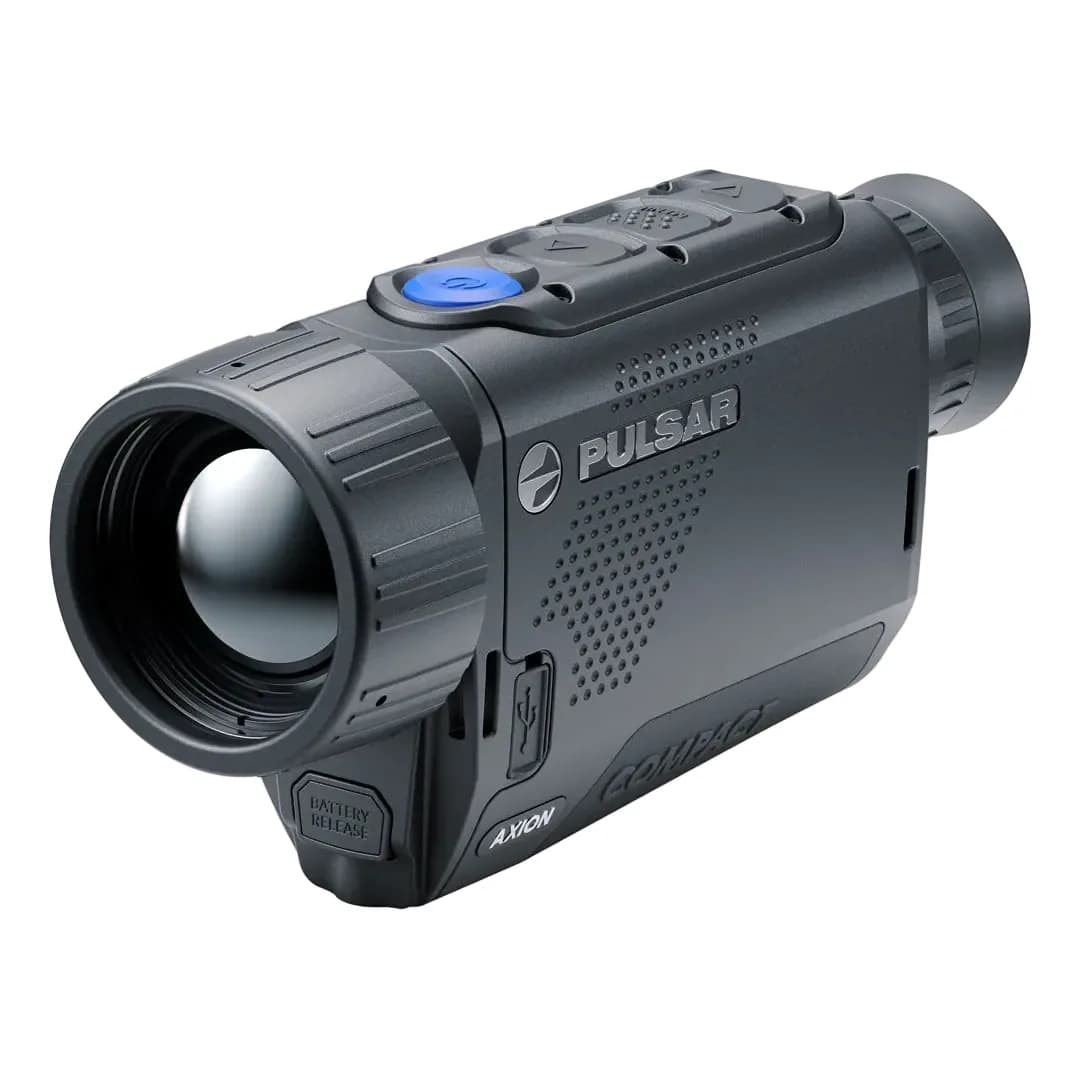
Pulsar Axion XG35 Compact
- Sensor
- 640×480
- Pitch · Hz
- 12 µm · 50
- Lens
- 35 mm
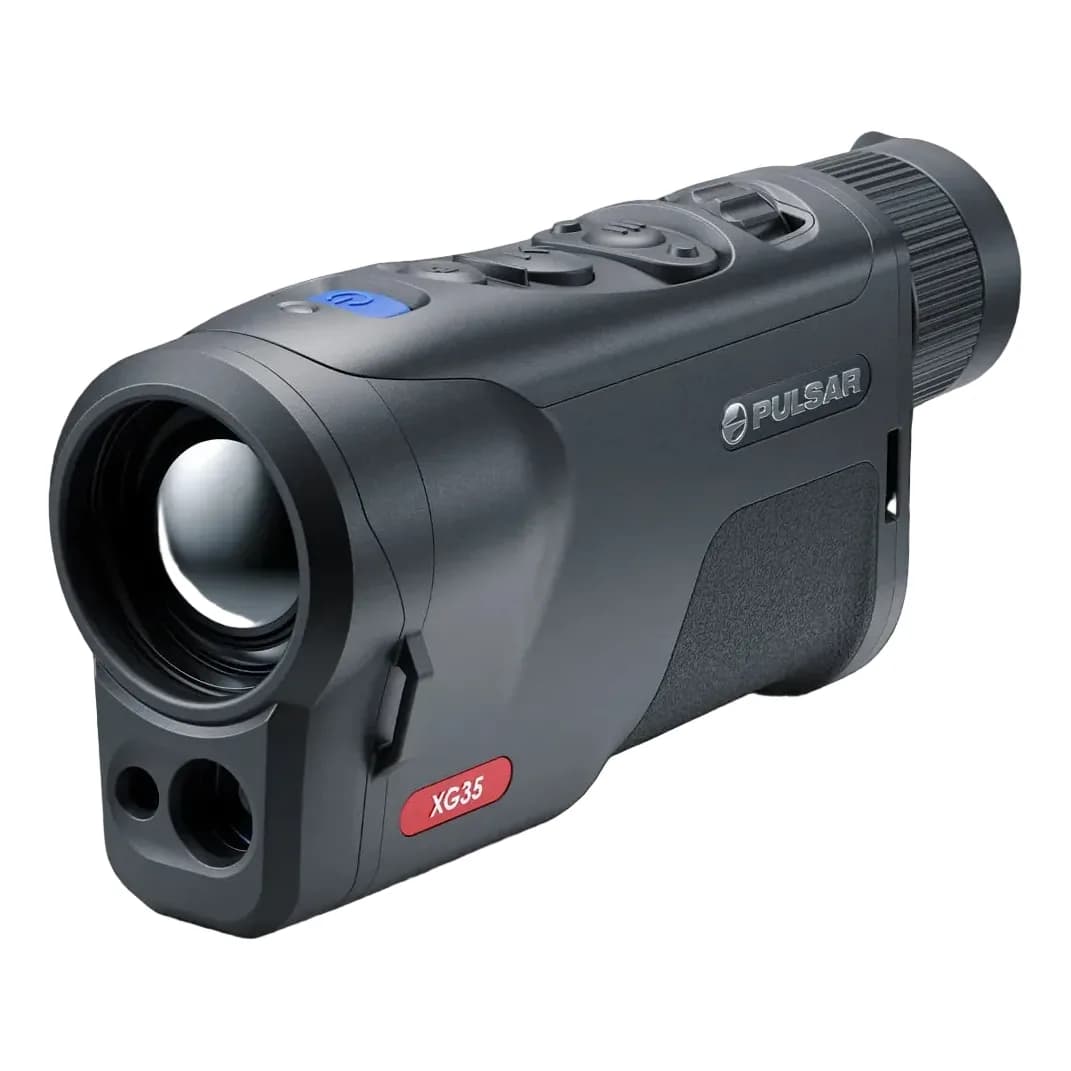
Pulsar Oryx LRF XG35
- Sensor
- 640×480
- Pitch · Hz
- 12 µm · 50
- Lens
- 35 mm
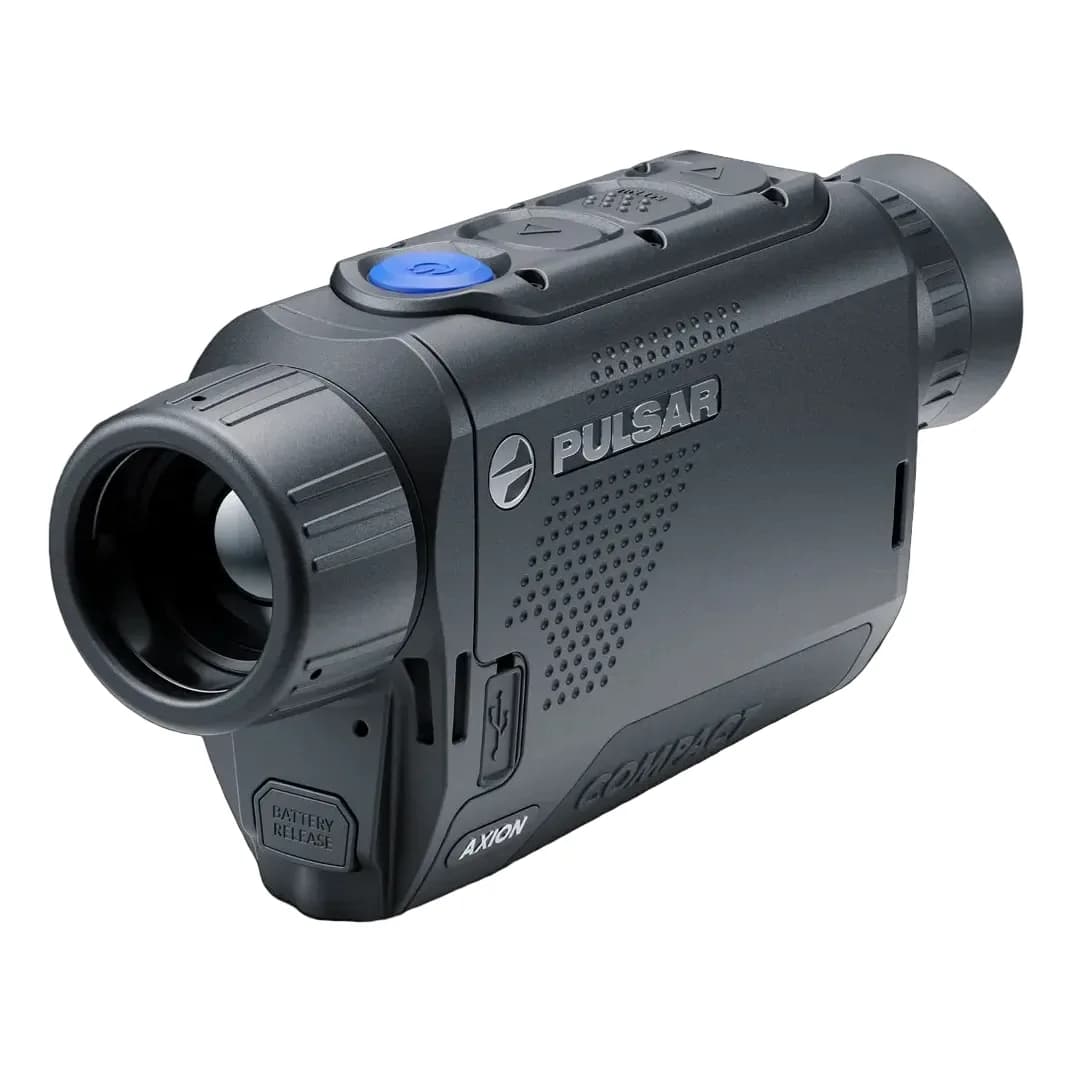
Pulsar Axion XG30 Compact
- Sensor
- 640×480
- Pitch · Hz
- 12 µm · 50
- Lens
- 30 mm